
Design is not decoration. With 50% of consumers judging brands by website design, every inconsistent button and messy layout adds friction to your pipeline. Here’s how to tighten the experience so your site earns trust faster.

Stop Losing Up to 20% of Conversions to Mobile Load Time
A single second of delay on mobile can wipe out a chunk of conversions. This post explains how speed turns into revenue loss, and how to identify the changes that matter before your cost per lead starts creeping up.
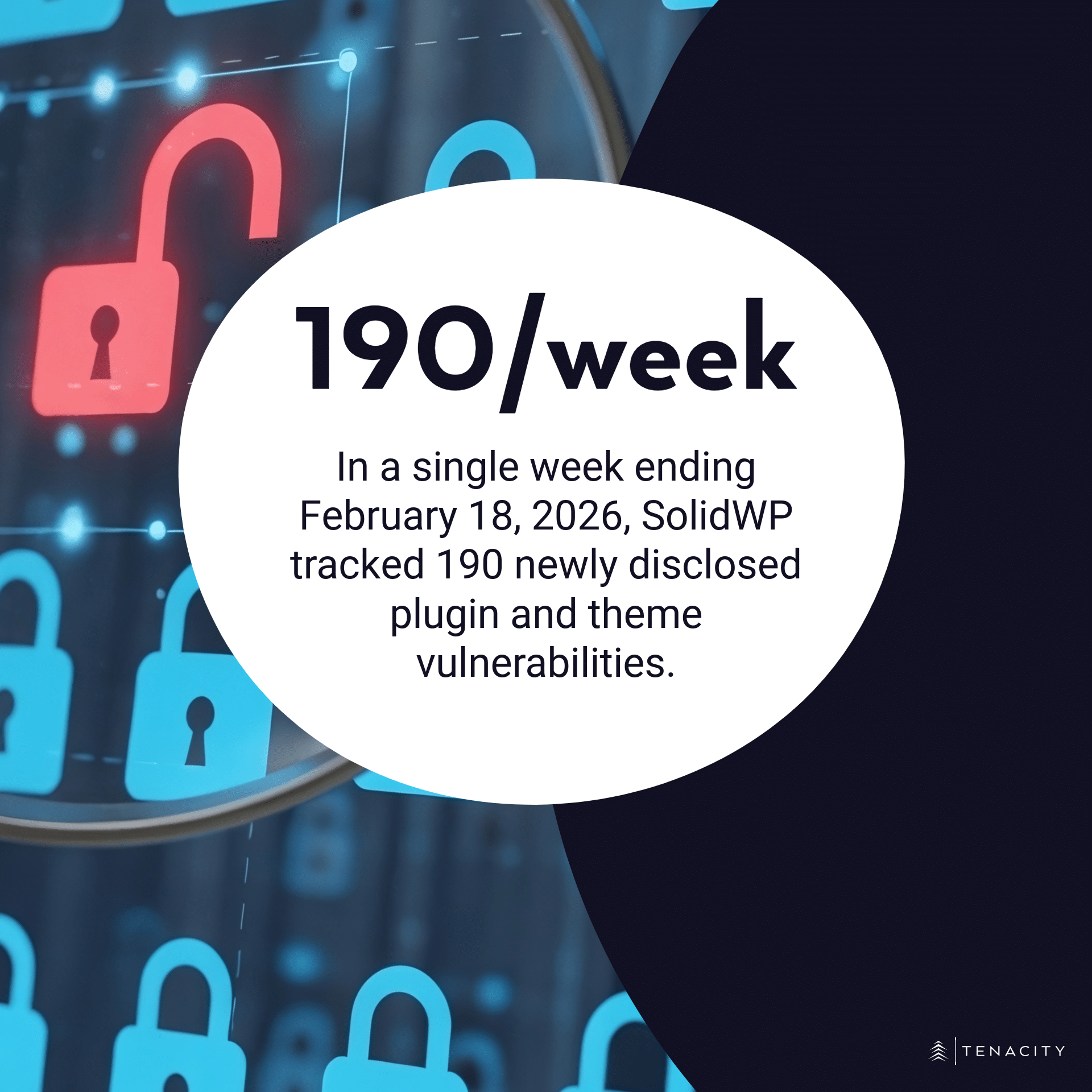
190 New Plugin/Theme Vulnerabilities in a Single Week (Feb 2026)
One week. 190 disclosures. If you update weekly, you can still be exposed for days while vulnerabilities stack up. Here’s how to treat WordPress risk like an operational system, not a Friday checklist.
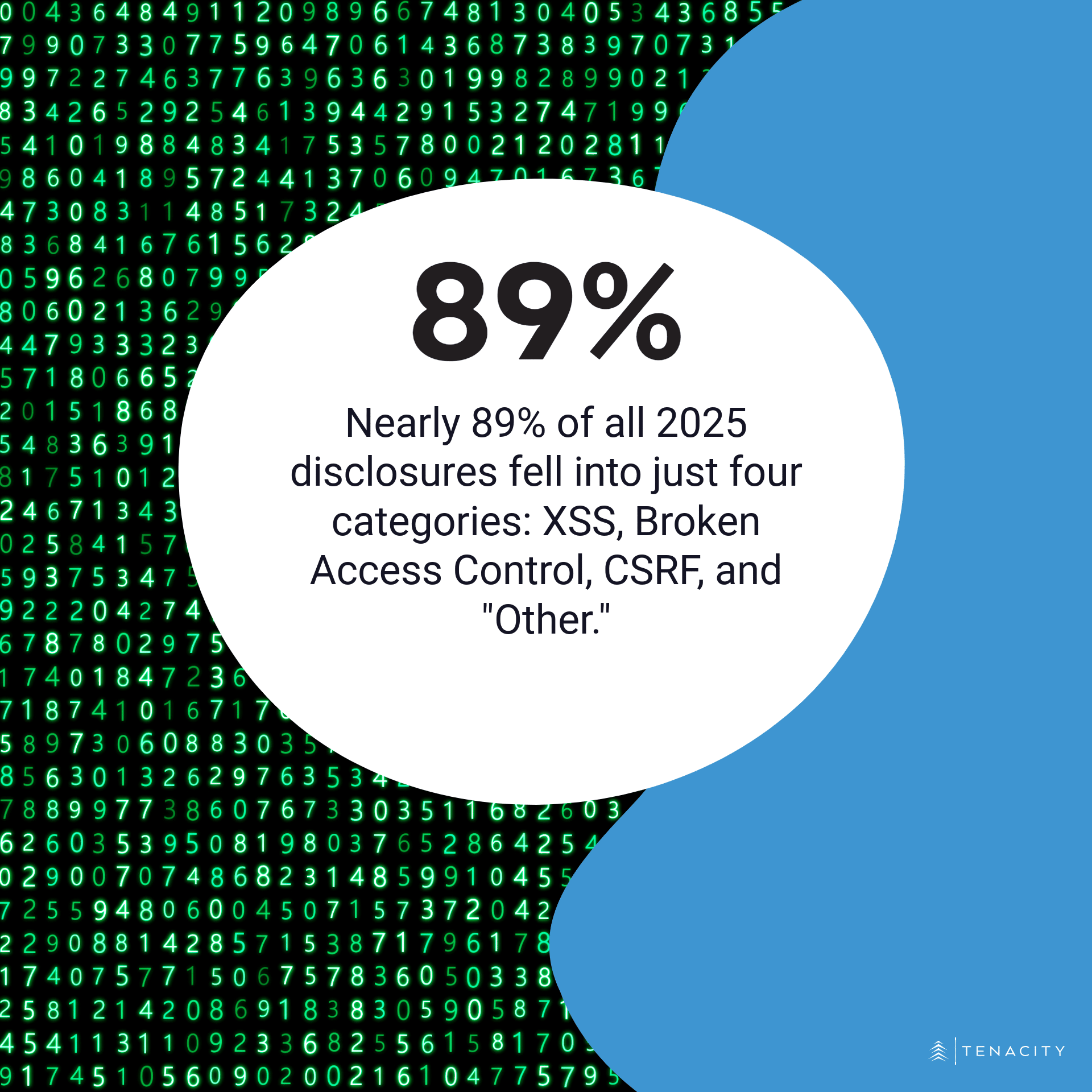
89% of 2025 Disclosures Fell Into Four Vulnerability Categories
In 2025, nearly 89% of WordPress disclosures clustered into four vulnerability categories. That’s not just a security stat, it’s a prioritization shortcut. Here’s how to use it to focus training, reduce exposure, and avoid chaotic incident response.

Stop Letting Visitors Guess What To Do Next
Traffic is only valuable if your site tells visitors what to do next. With most small business sites missing CTA buttons, the bar is low. This post breaks down how a clear website call to action improves lead flow and makes your WordPress site easier to manage.
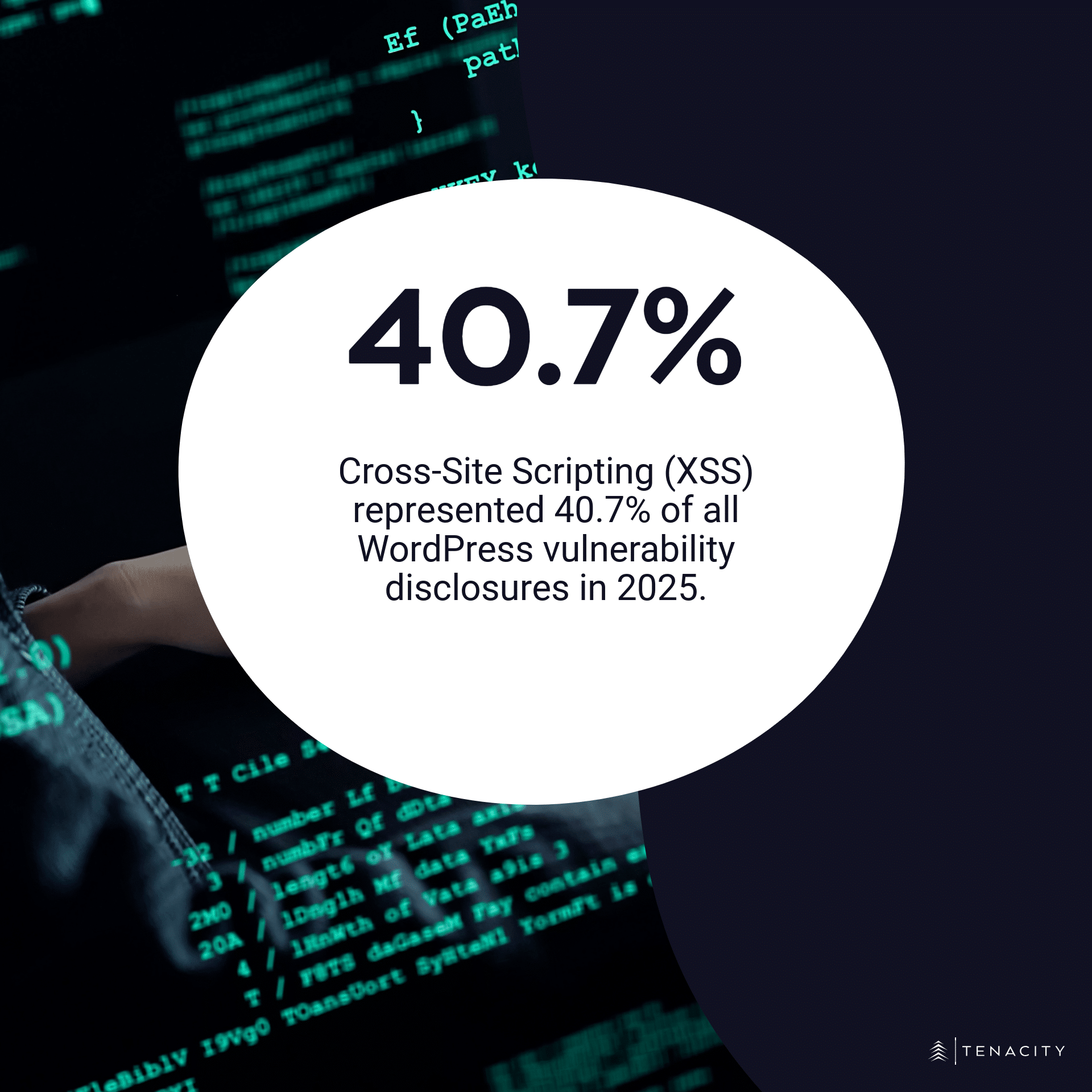
XSS Made Up 40.7% of WordPress Vulnerability Disclosures in 2025
XSS is the most common type of WordPress vulnerability disclosure, which means it can creep back in with routine updates and content changes. Learn how to spot the real injection paths, prioritize fixes, and use WAF controls as a backstop.
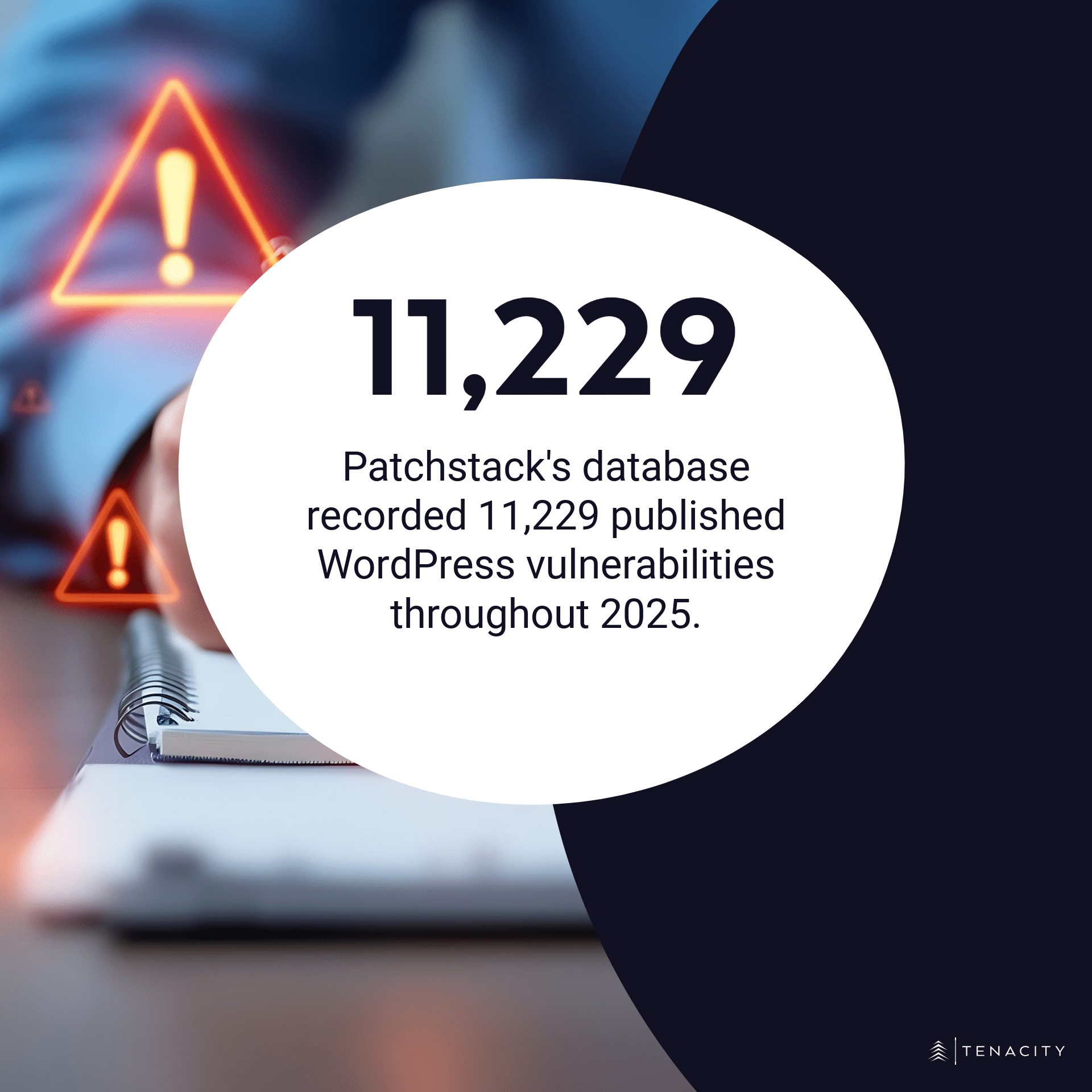
11,229 WordPress Vulnerabilities Were Published in 2025
Patchstack logged 11,229 WordPress vulnerabilities in 2025. That volume changes what “reasonable” looks like for patching, reporting, and audit defense. Here’s how to turn disclosures into a monitoring practice your security brief can stand behind.
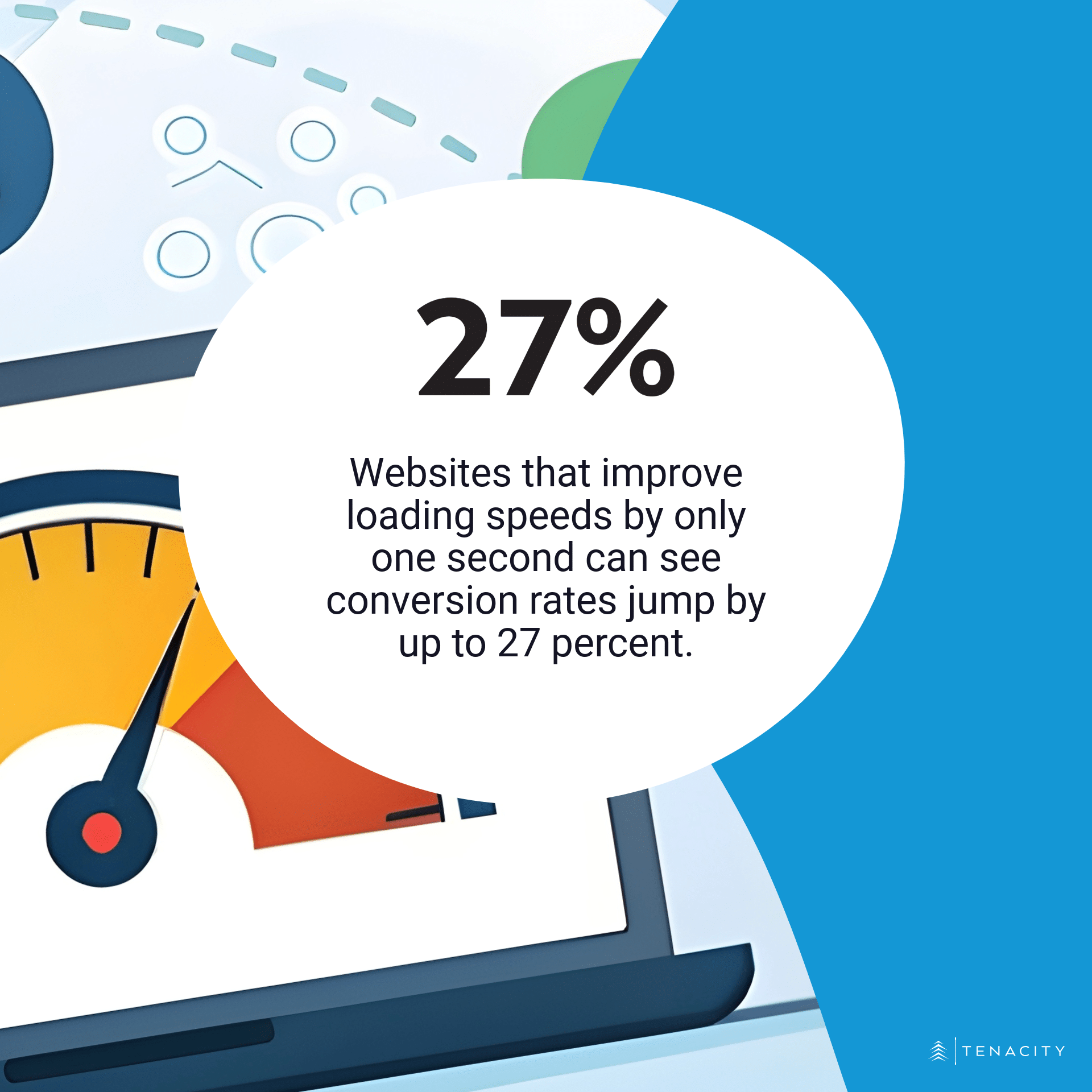
Why Website Loading Speed Is a Revenue Metric
One second is often the difference between a visitor who browses and one who buys. This post explains why small website speed gains move conversions, and how to prioritize WordPress fixes that actually impact revenue.
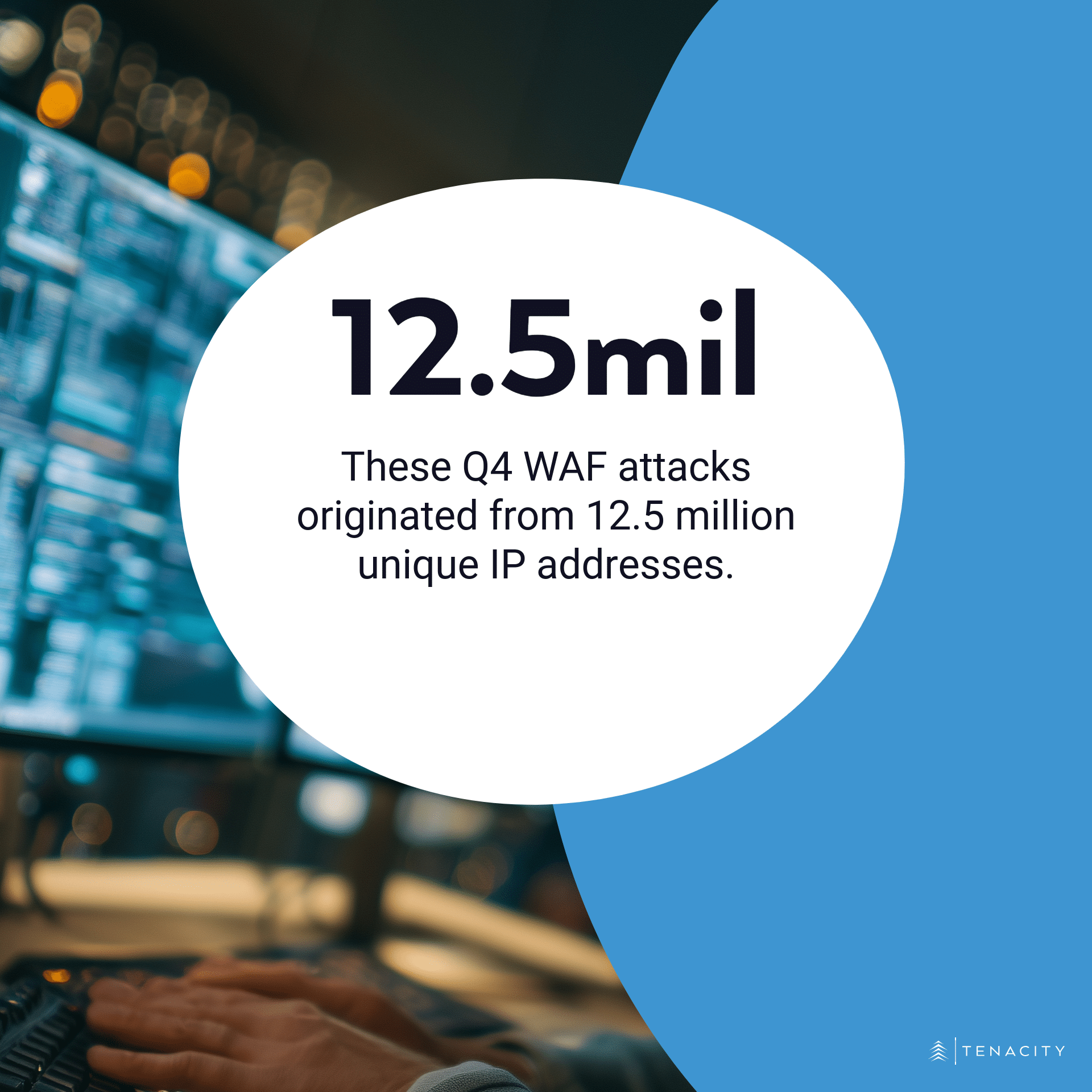
Q4 WAF Attacks Came From 12.5 Million Unique IP Addresses
12.5 million unique IPs behind WAF traffic changes what “normal” means in your security reporting. Here’s how to turn unique-source volume into decisions you can defend, and how smarter edge tuning reduces noise, cost, and real risk.
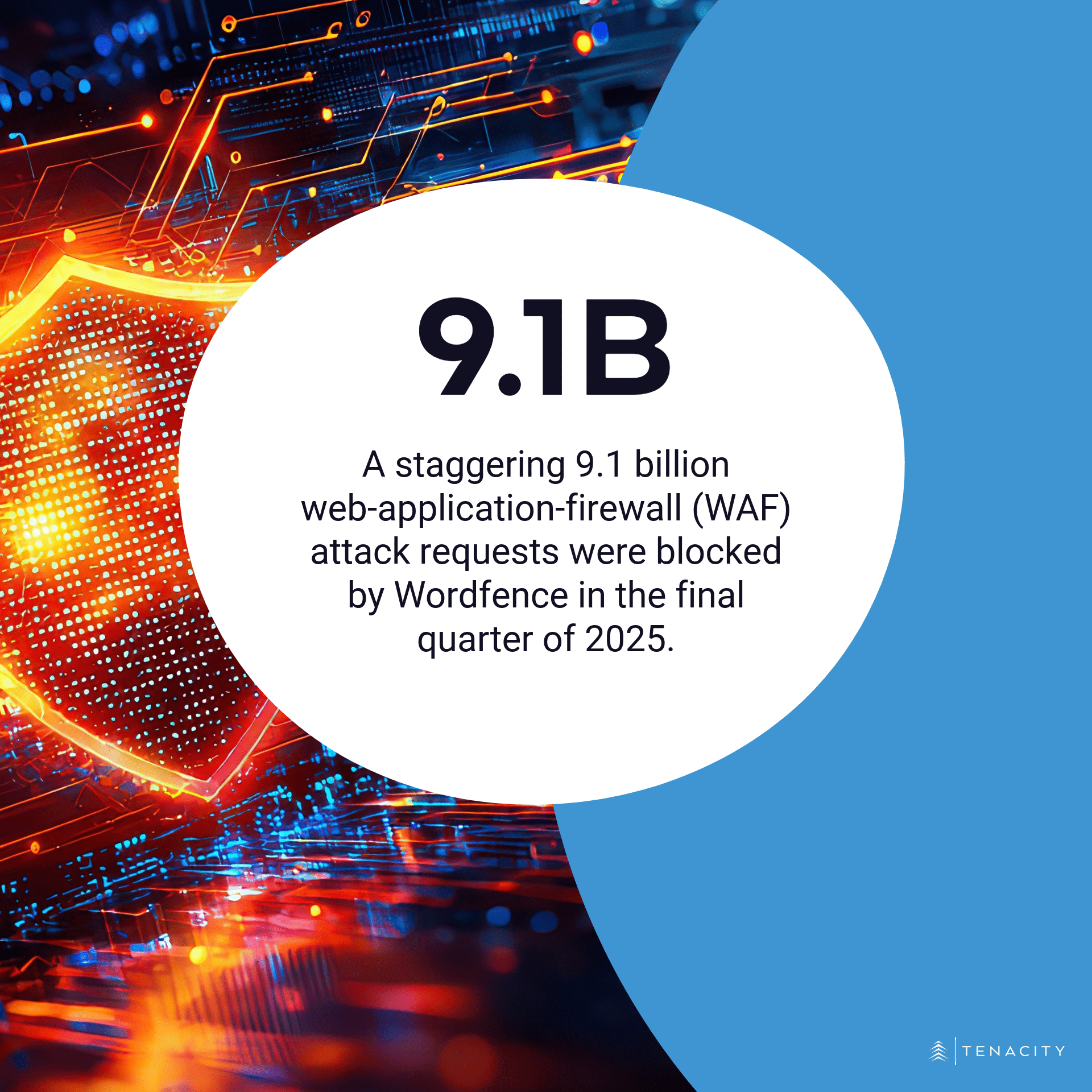
9.1 Billion Blocked Requests, One Message: Assume You’re Targeted
Billions of hostile requests are hitting WordPress sites every quarter, whether you’re a household name or not. This post explains what that attack volume means for uptime, compliance, and customer trust, and why WAF configuration has to be treated like an operational control.