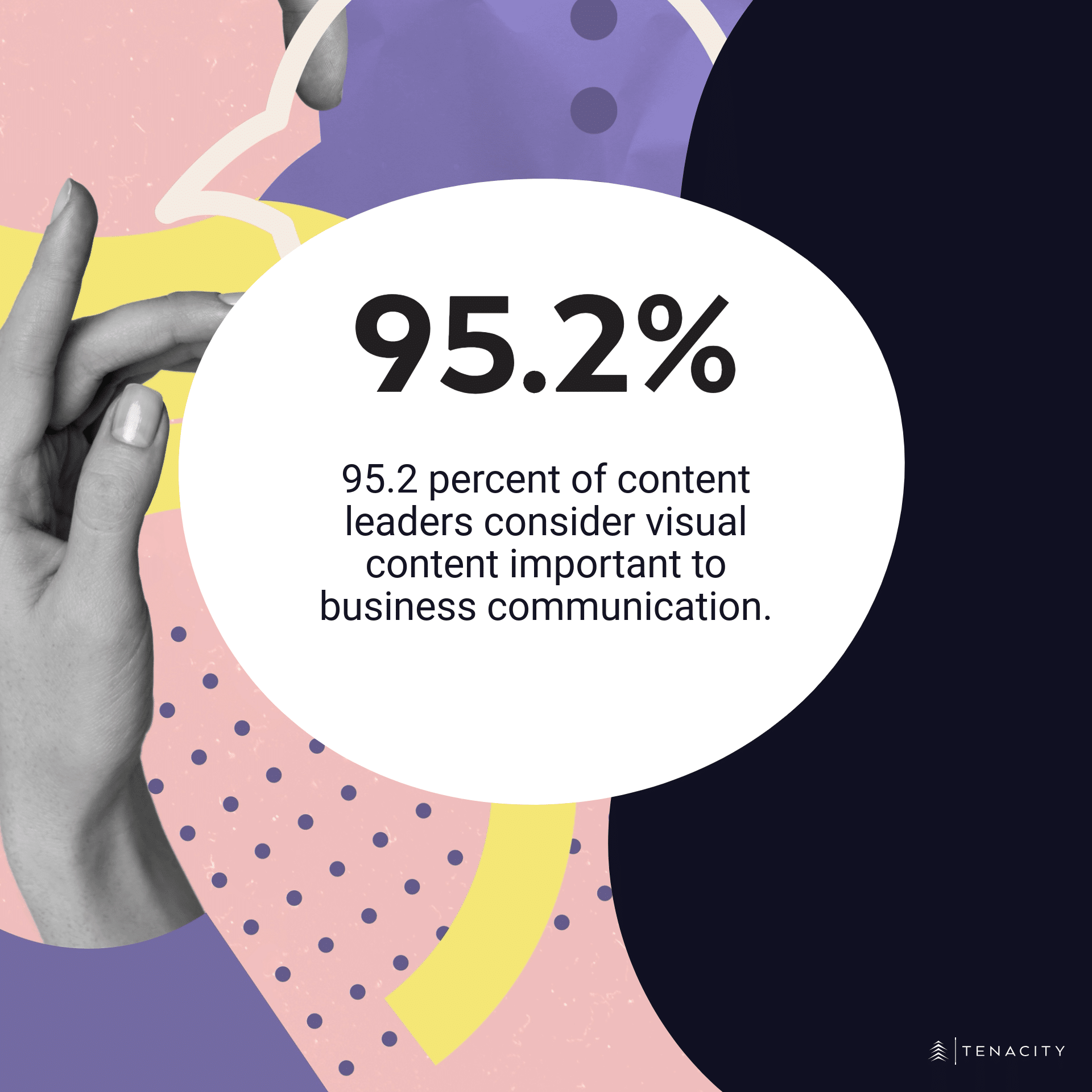
Visual content is no longer a nice-to-have for business communication. This post explains how diagrams, screenshots, charts, and reusable WordPress content blocks can help visitors understand your value faster and move toward a decision with more confidence.
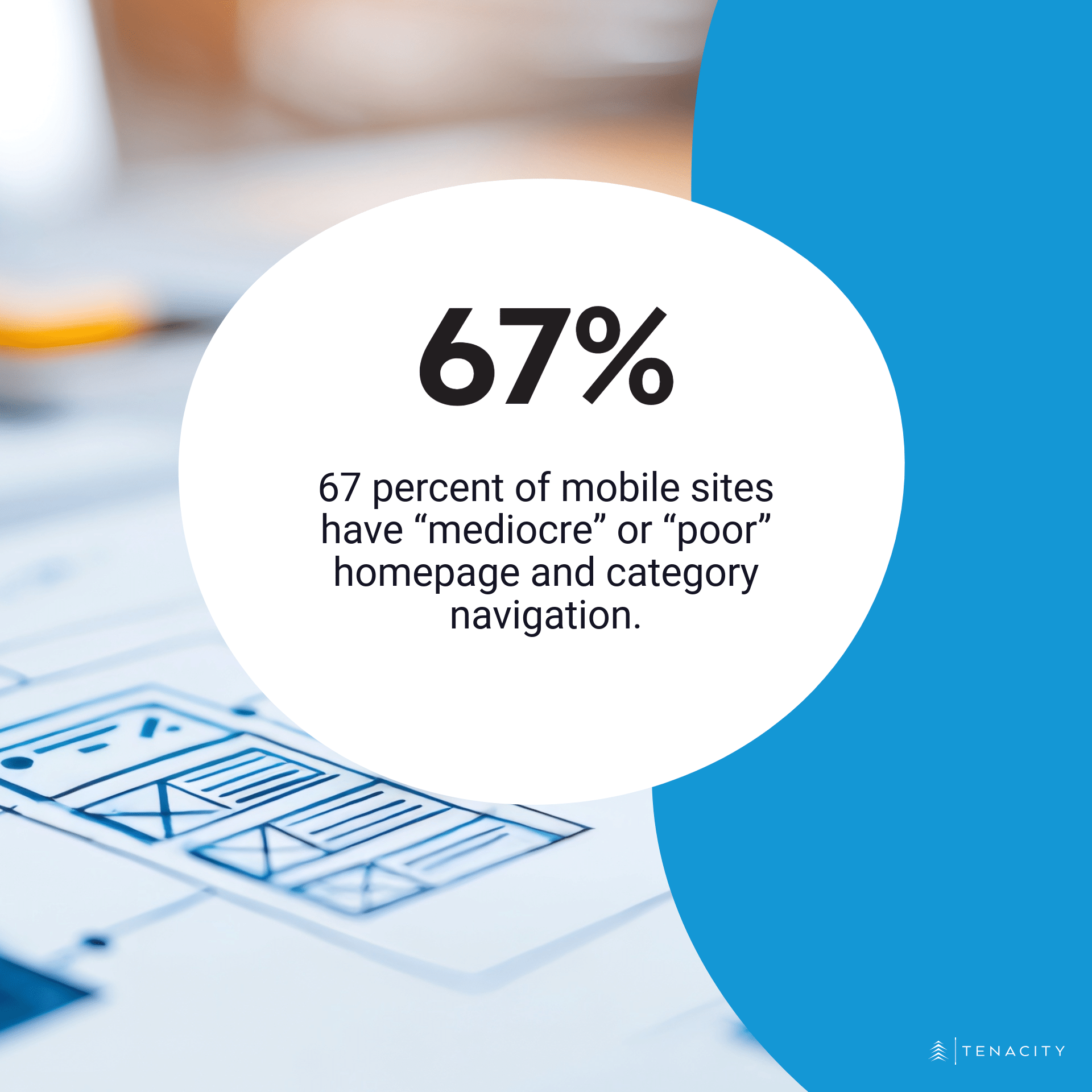
Mediocre Mobile Navigation Is a Conversion Problem
Mobile navigation often breaks down before visitors reach your best content. With most sites underperforming on homepage and category paths, clearer structure can protect attention, improve lead quality, and make every mobile tap feel more intentional.
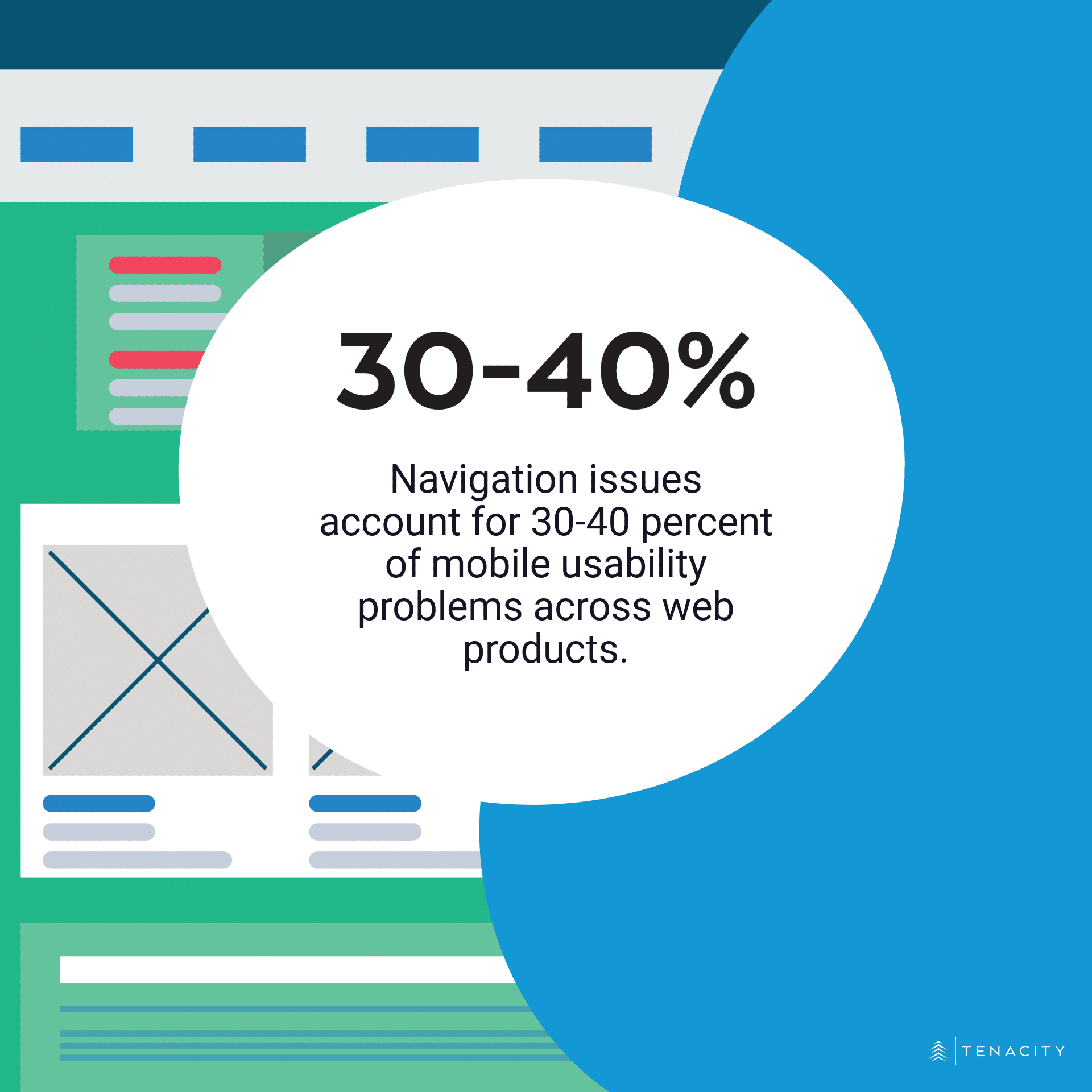
30 to 40% of Mobile Usability Problems Start With Navigation
A crowded mobile menu can make a strong website feel harder to use than it is. This post explains why navigation causes so many usability problems and how clearer paths can protect attention, improve lead quality, and make key information easier to find.
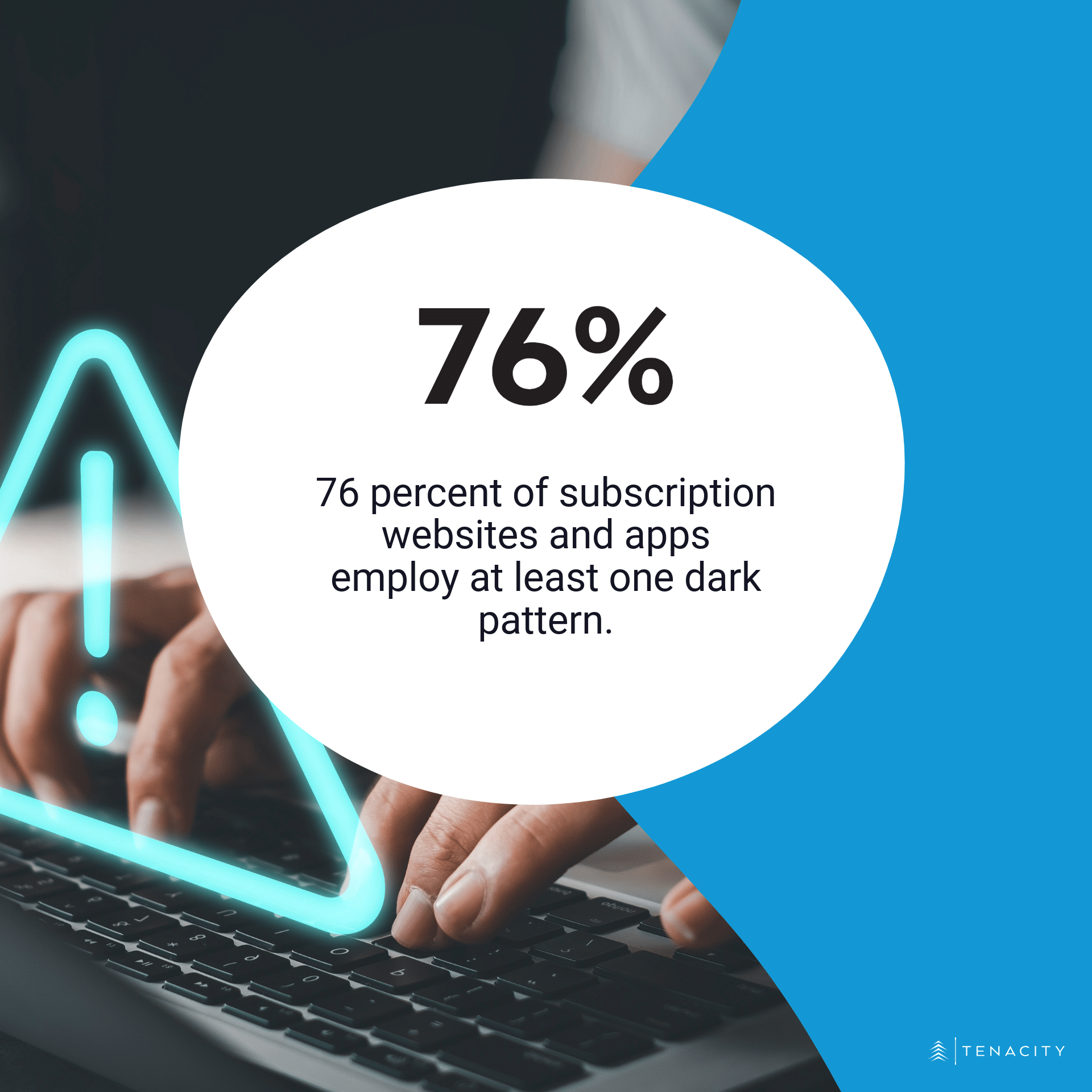
Dark Patterns May Convert Today, Then Cost You Tomorrow
People expect websites to feel more relevant, but personalization can get messy fast. The right approach uses clear signals, reusable WordPress components, and measurable paths to help visitors find what matters without creating operational drag.
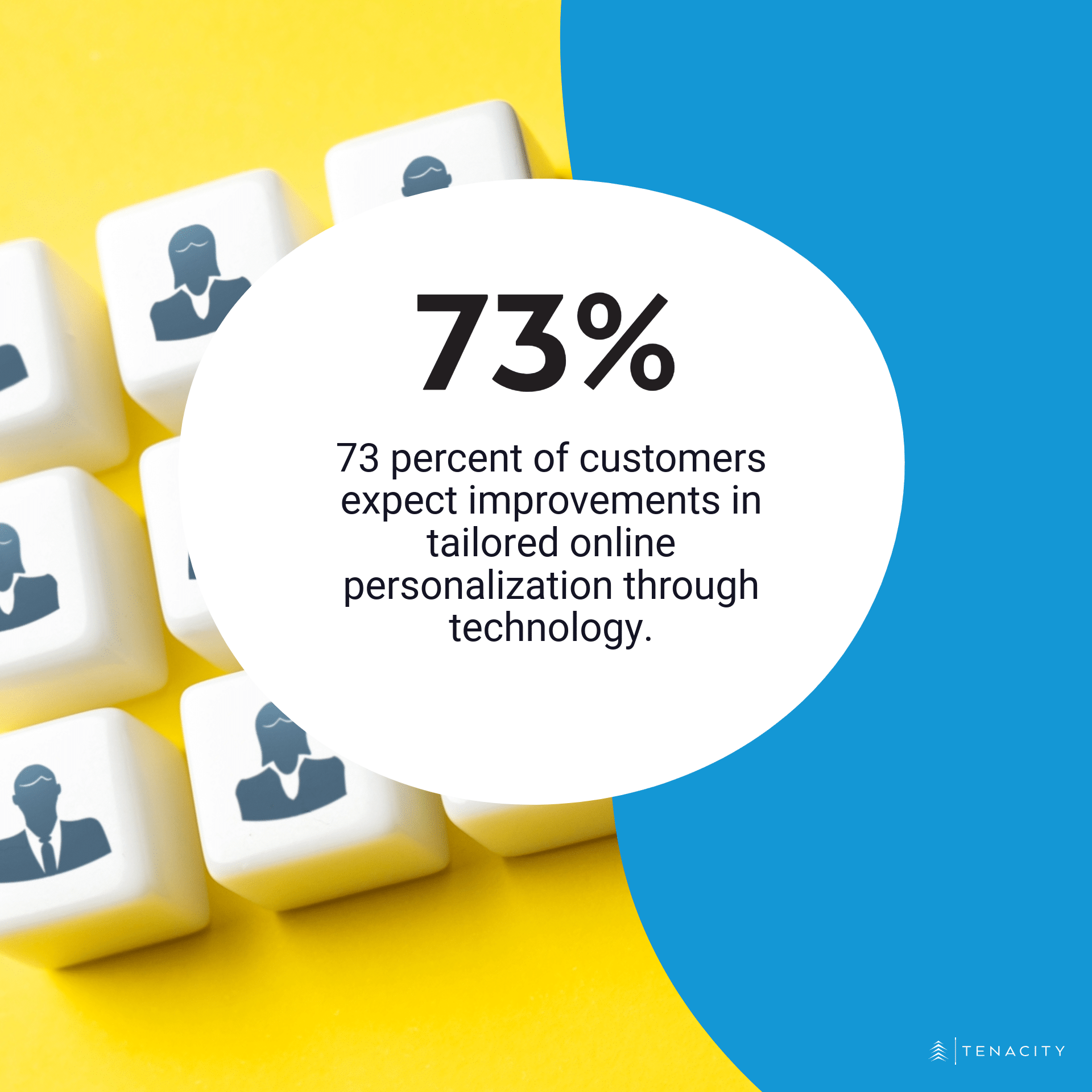
Tailored Website Experiences Are Becoming the Baseline
People expect websites to feel more relevant, but personalization can get messy fast. The right approach uses clear signals, reusable WordPress components, and measurable paths to help visitors find what matters without creating operational drag.
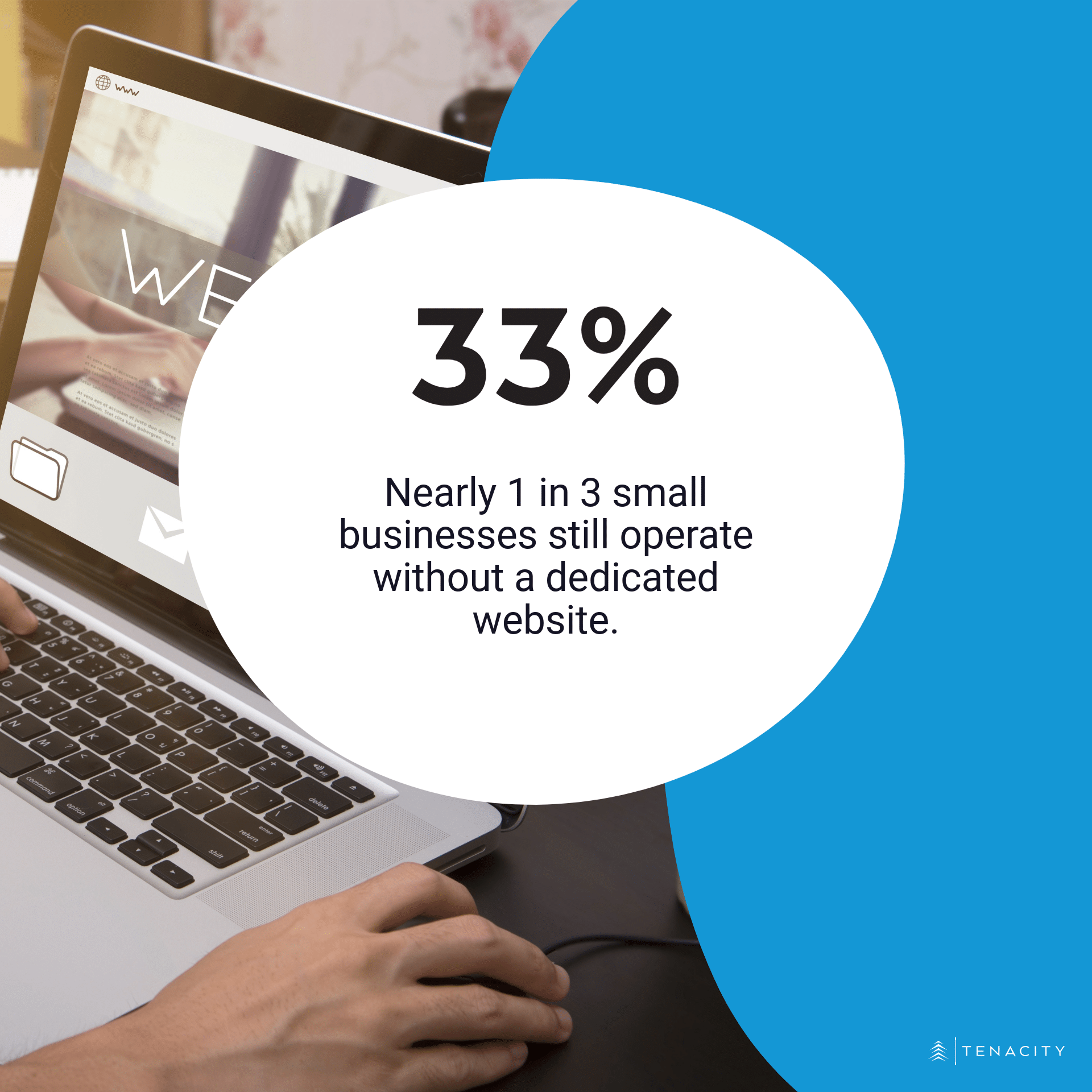
One-Third Without a Website Is a Competitive Opening
Some buyers still find you through social or a directory. The problem is what happens when they want proof, pricing context, or a clear next step. This post shows why a small business website is now the simplest way to control credibility and capture leads.

97% Missed AI Access Controls. Don’t Be Next.
AI is showing up on websites through chat, search, and automation. IBM’s finding that 97% of AI incident victims lacked proper access controls is a warning. This post explains what to lock down so AI features stay helpful, not risky.
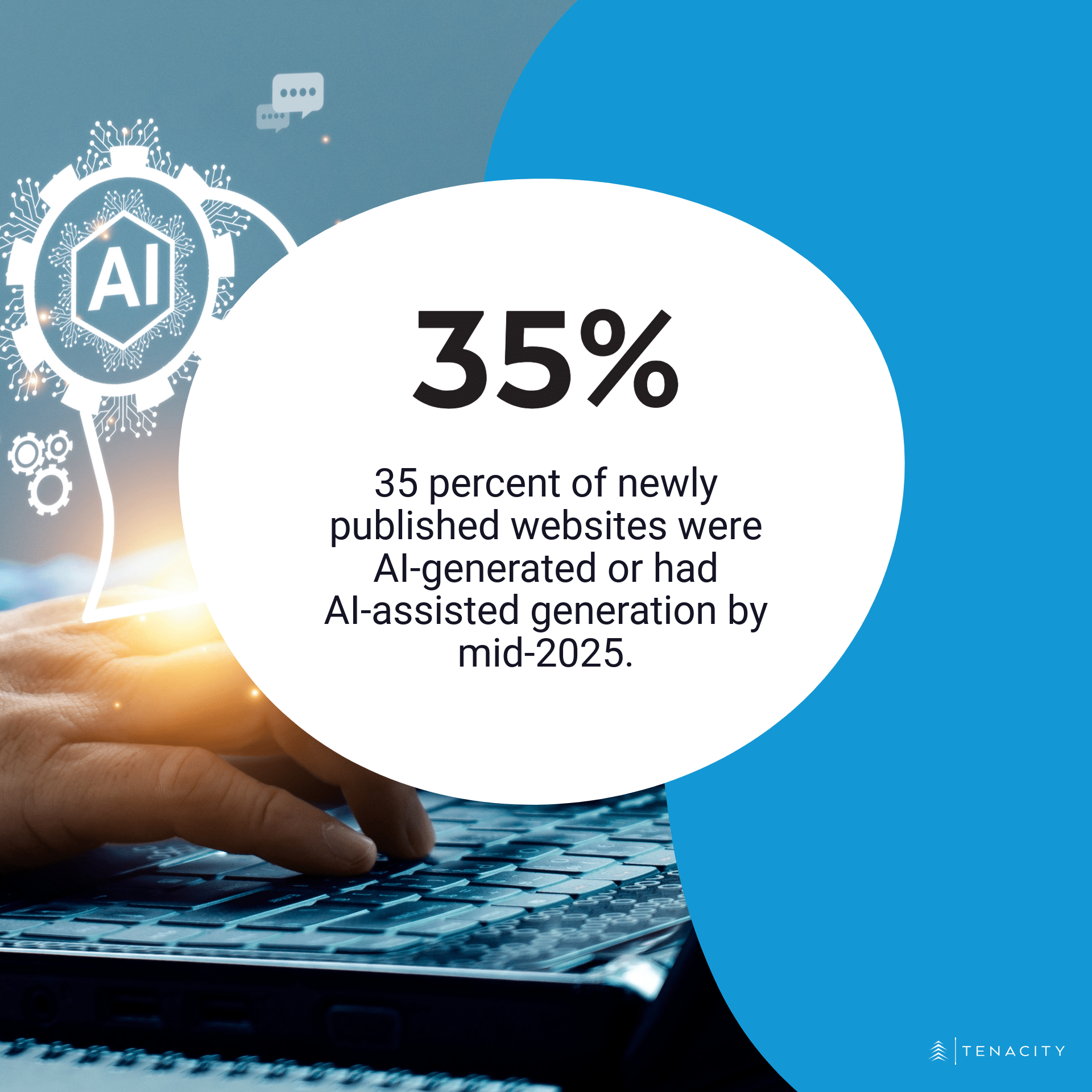
Good Enough Is Everywhere, Credibility Isn’t
AI is making new sites cheap and fast, and that raises the bar for everyone else. When 35% of new sites are AI-assisted, differentiation comes from clearer positioning, stronger proof, and WordPress pages built to convert, not just look polished.
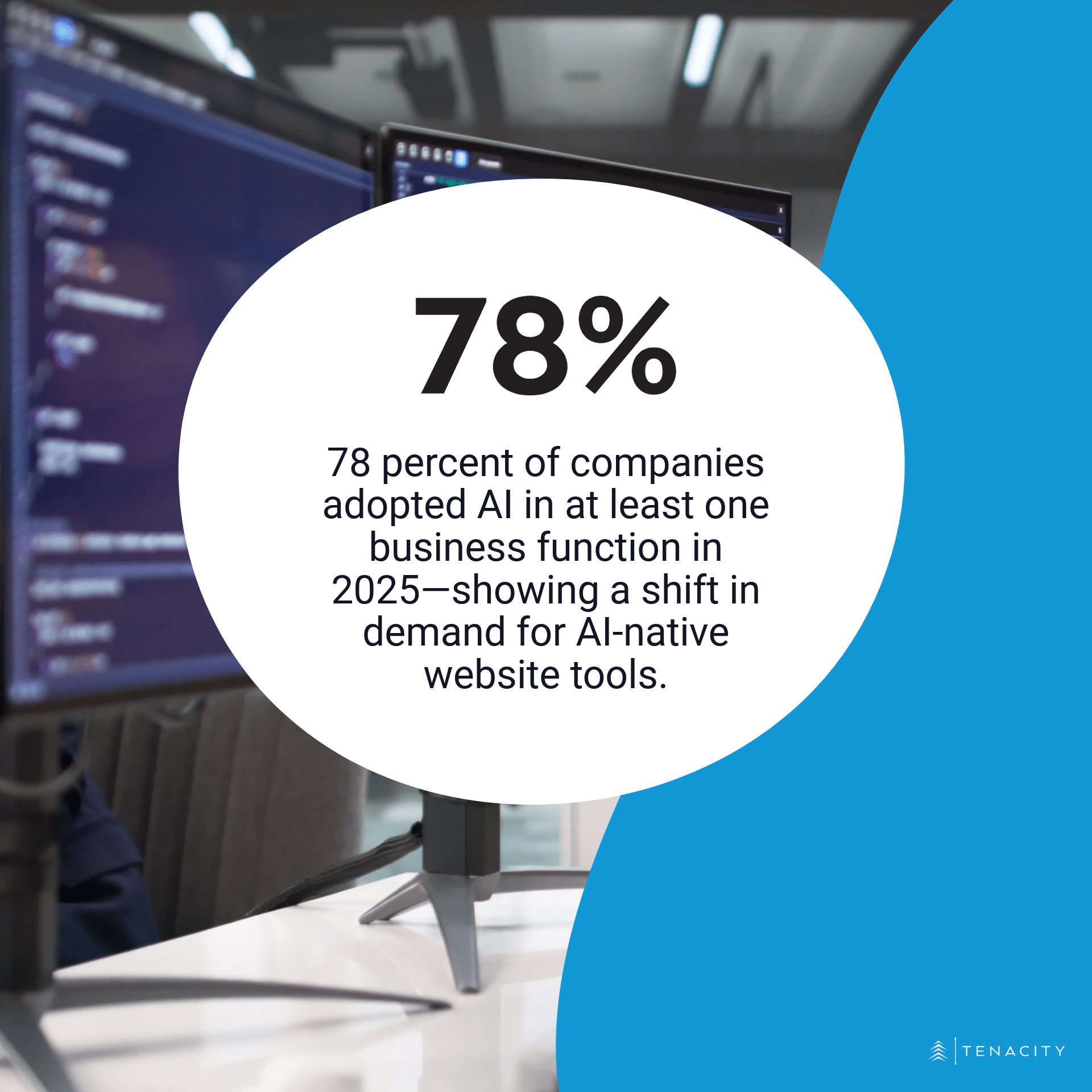
What AI Adoption Changes About Demand Gen
AI adoption hit a tipping point in 2025, and it’s changing how people evaluate vendors. When 78% of companies use AI, they expect faster answers and clearer paths on your site. Here’s what “AI-native” means for WordPress and lead flow.
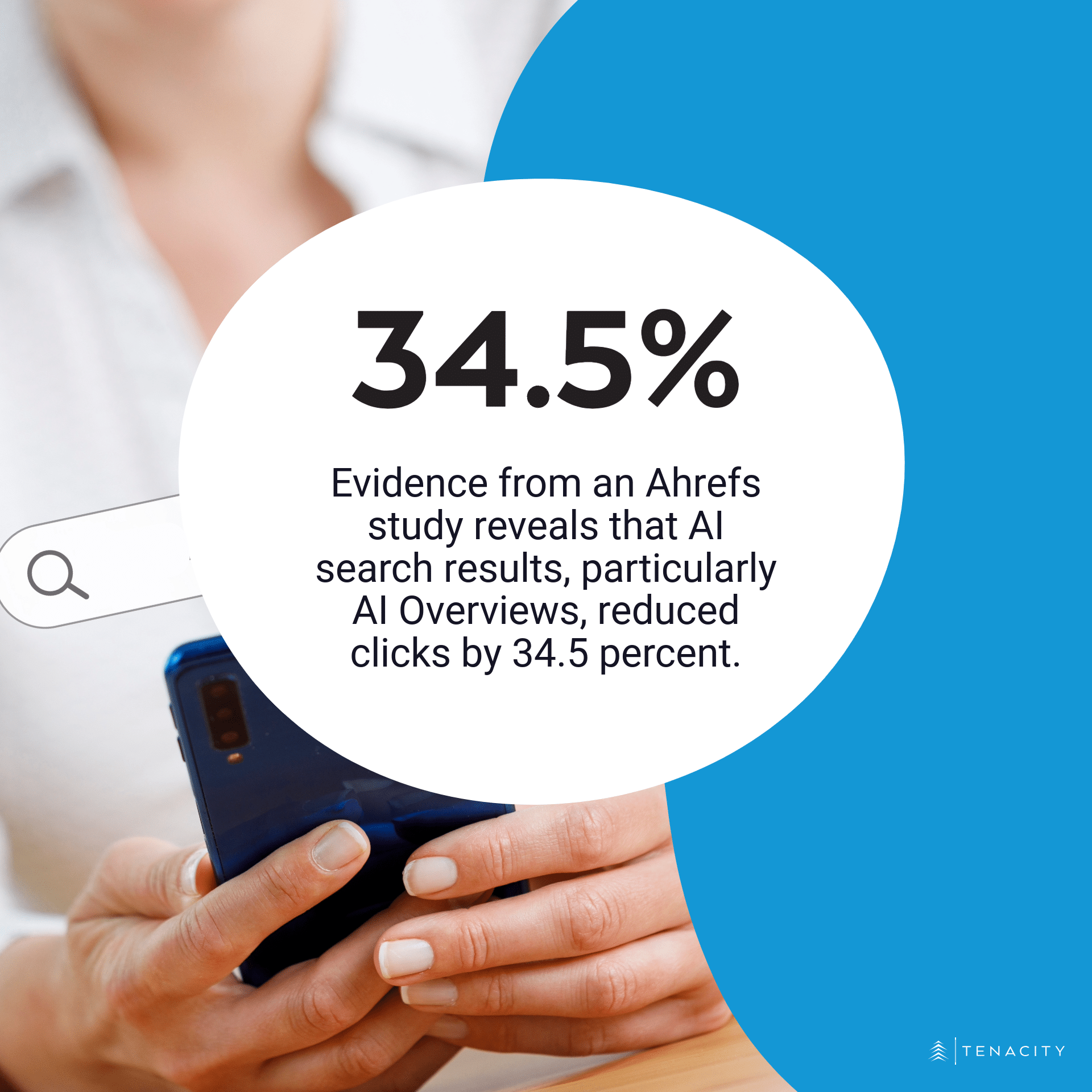
A 34.5% Click Drop Changes the Whole Funnel
AI answers are stealing clicks, and your analytics will not warn you soon enough. When AI Overviews reduce clicks by 34.5%, the winners are the teams measuring conversations and building guided next steps on-site. Here’s how to adapt without chasing vanity traffic.