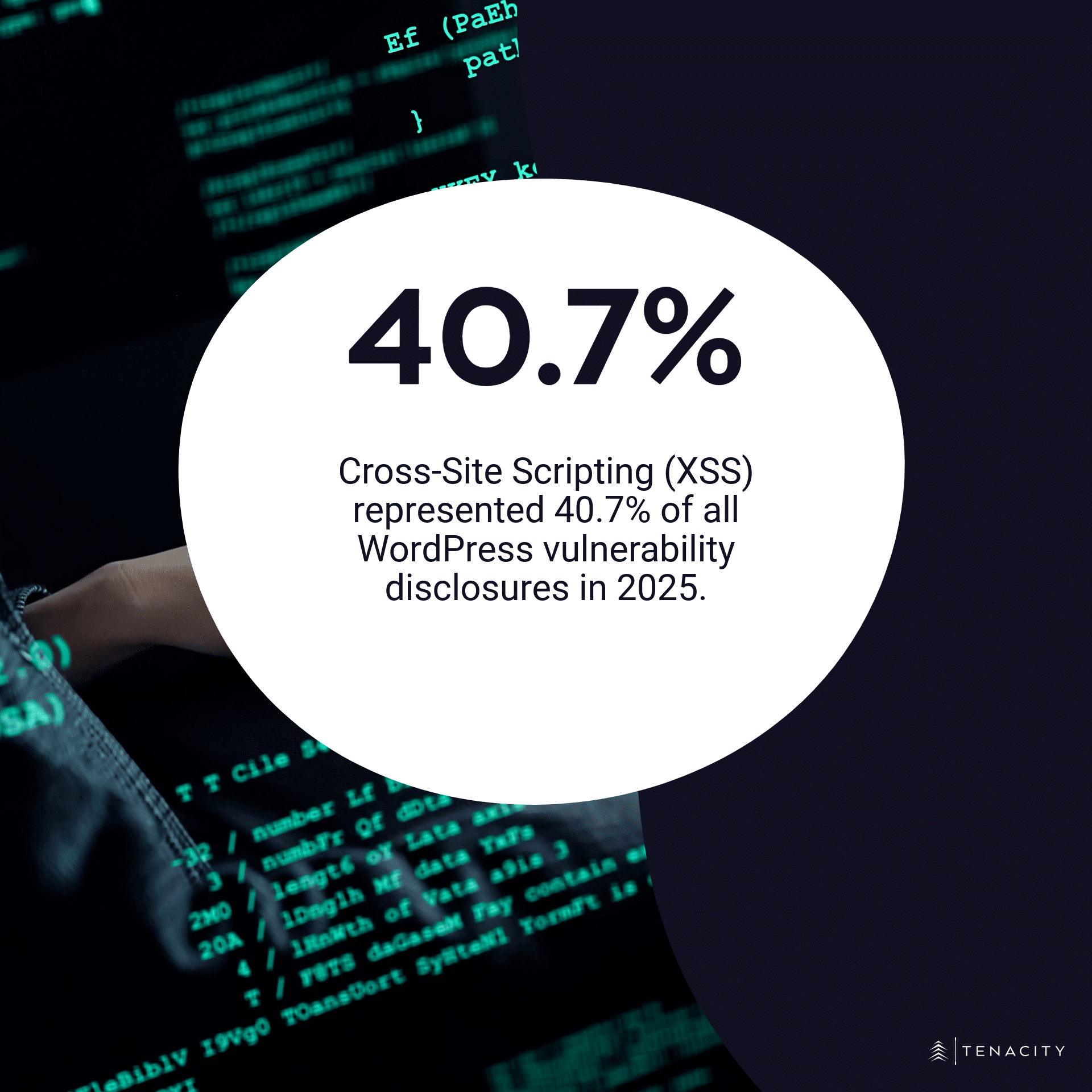
XSS is the most common type of WordPress vulnerability disclosure, which means it can creep back in with routine updates and content changes. Learn how to spot the real injection paths, prioritize fixes, and use WAF controls as a backstop.

11,229 WordPress Vulnerabilities Were Published in 2025
Patchstack logged 11,229 WordPress vulnerabilities in 2025. That volume changes what “reasonable” looks like for patching, reporting, and audit defense. Here’s how to turn disclosures into a monitoring practice your security brief can stand behind.
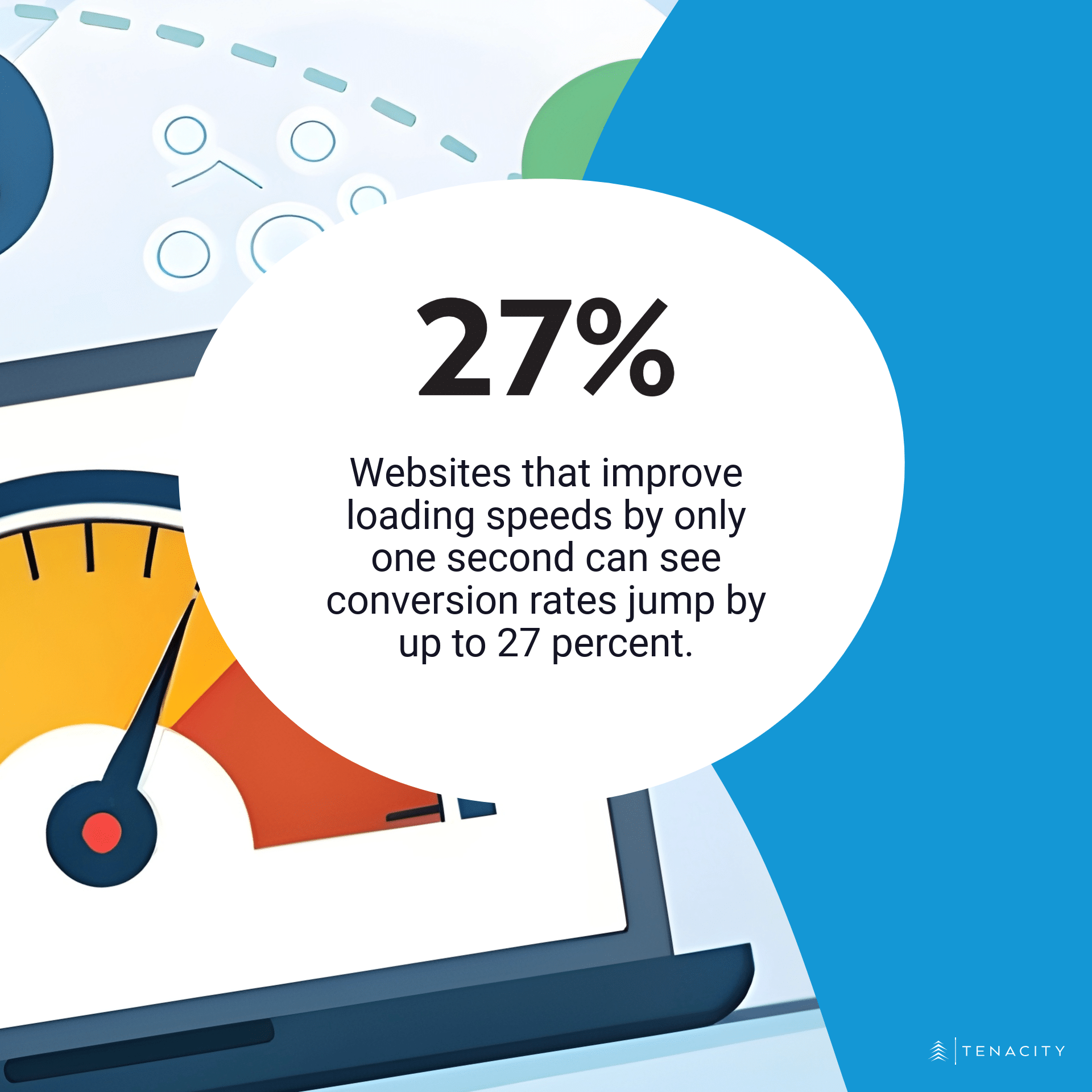
Why Website Loading Speed Is a Revenue Metric
One second is often the difference between a visitor who browses and one who buys. This post explains why small website speed gains move conversions, and how to prioritize WordPress fixes that actually impact revenue.

Q4 WAF Attacks Came From 12.5 Million Unique IP Addresses
12.5 million unique IPs behind WAF traffic changes what “normal” means in your security reporting. Here’s how to turn unique-source volume into decisions you can defend, and how smarter edge tuning reduces noise, cost, and real risk.

9.1 Billion Blocked Requests, One Message: Assume You’re Targeted
Billions of hostile requests are hitting WordPress sites every quarter, whether you’re a household name or not. This post explains what that attack volume means for uptime, compliance, and customer trust, and why WAF configuration has to be treated like an operational control.

General Malware Is the Most Common Infection After a Breach (72.7%)
Most teams treat a malware warning like a web issue, until it starts blocking forms and spiking support tickets. General malware shows up in 72.7% of breached sites, which means the fallout is predictable. The response should be, too.

43% Are Investing in Performance. Are You?
Performance budgets are rising because speed is no longer optional. This post explains what the 43% investment trend means for your pipeline, and how to target fixes that reduce friction on your highest value pages.
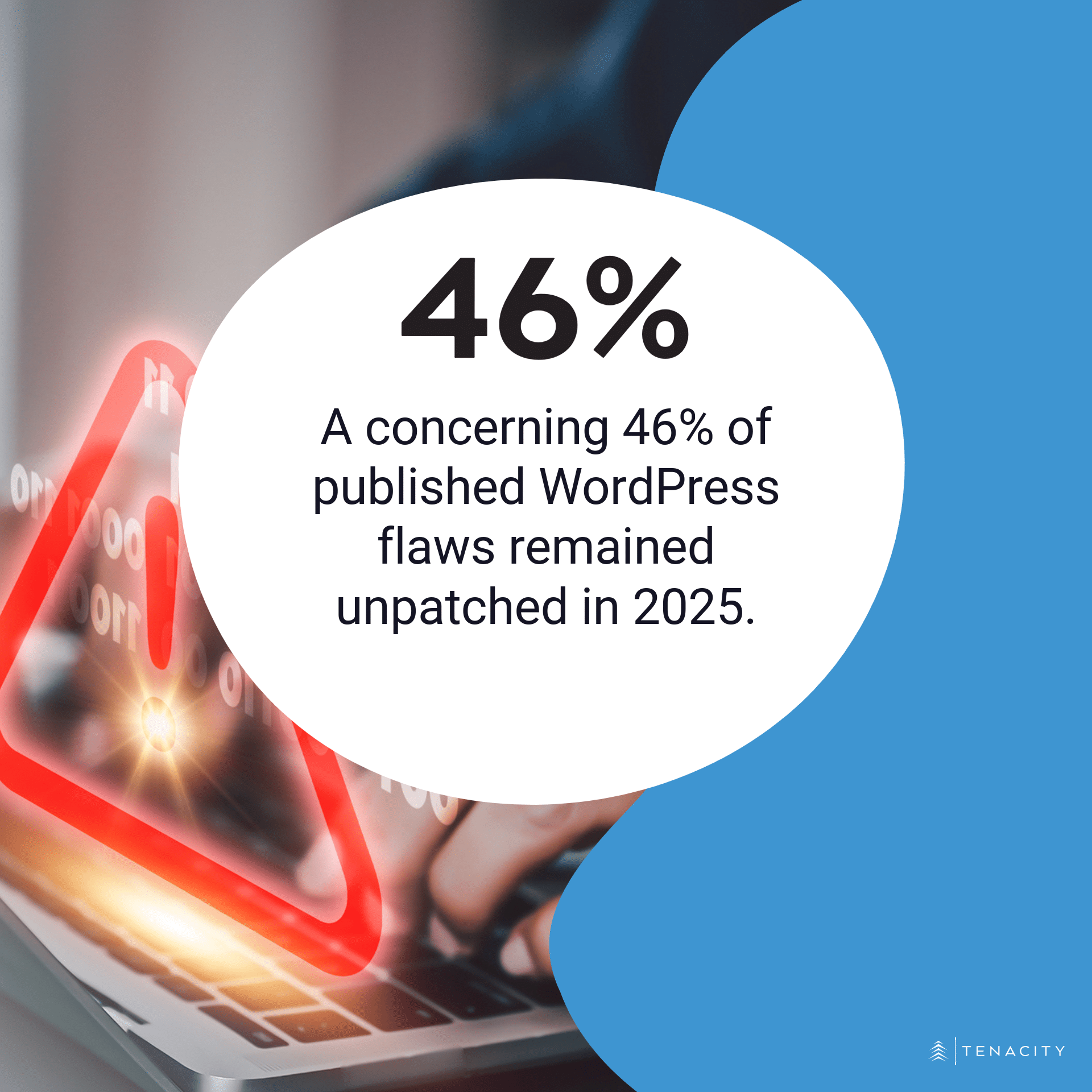
46% of WordPress Flaws Stayed Unpatched in 2025
A 46% unpatched rate is not about missing one update. It is about missing ownership. Learn how a simple patching rhythm and monitoring can protect uptime, search visibility, and trust before the next disclosure becomes an incident.

63% of eCommerce Sales on Mobile Means Speed Is Strategy
By 2028, most eCommerce revenue is expected to come from mobile. That makes speed a business metric, not a dev preference. Here’s how to treat mobile performance like a repeatable growth system instead of a last-minute scramble.
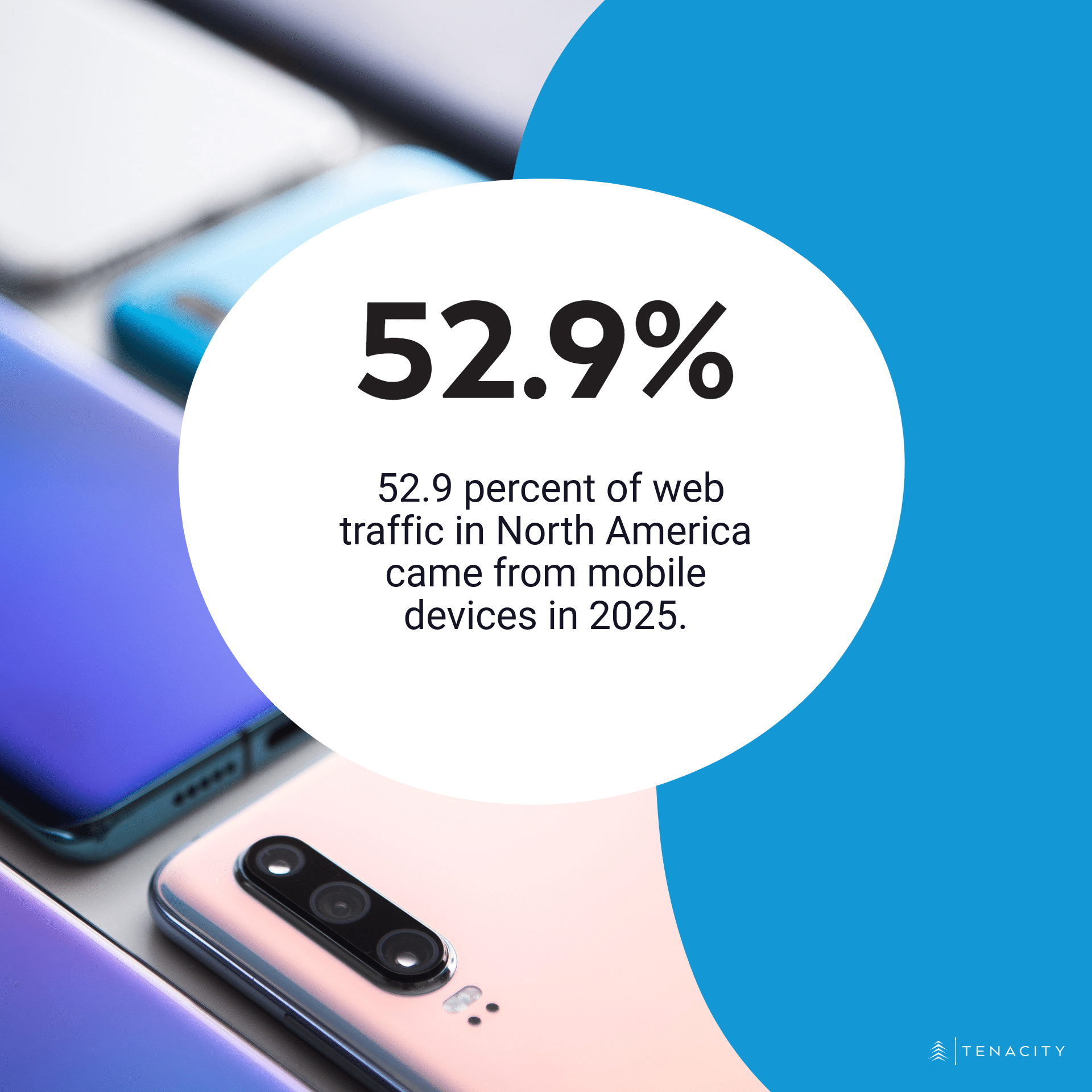
52.9% of Traffic Is Mobile. Treat It Like It.
Phones are now the default path to your site, but many templates and QA processes still assume desktop. Learn how to treat mobile as the primary conversion journey and what to review first to close the gap.