
As a small business owner, you pour your heart and soul into your work. You’ve got a passion, a purpose, and a unique story. But often, when it comes to your website’s ‘About Us’ page, that incredible story gets boiled down to a dry, corporate-sounding blurb. That’s a missed opportunity many businesses overlook.
Think of your ‘About Us’ page less like a resume and more like a virtual handshake, a warm invitation for your potential customers to get to know the real you behind the brand. Building trust and connection is paramount in an increasingly crowded online marketplace, and your ‘About Us’ page is a powerful tool for doing just that.
Why Your ‘About Us’ Page Matters More Than You Think
You might be wondering, ‘Do people even read those pages?’ The answer is a resounding yes!
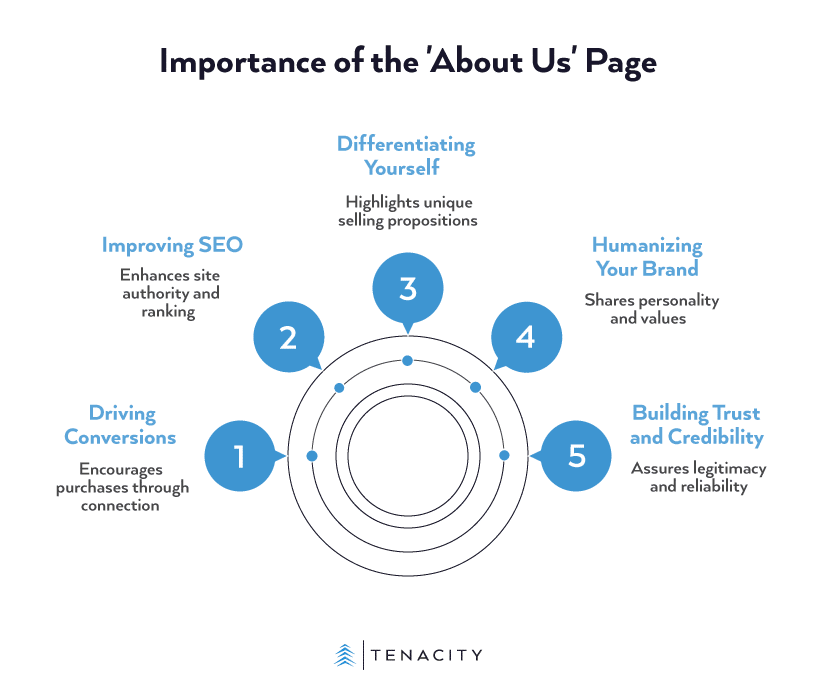
- Building Trust and Credibility: Studies show that 52% of visitors want to see ‘about us’ information on a company’s website. They’re looking for reassurance, a sign that you’re a legitimate business they can trust.
- Humanizing Your Brand: People connect with people, not faceless corporations. Your ‘About Us’ page is where you can inject personality, share your values, and show the human side of your business.
- Differentiating Yourself: What makes you stand out from the competition? Your story, your mission, and your team are often your most unique selling propositions.
- Improving SEO (Indirectly): While not a primary SEO driver, an engaging ‘About Us’ page with relevant keywords can contribute to your overall site authority and search engine ranking.
- Driving Conversions: Ultimately, a strong ‘About Us’ page helps move visitors further down your sales funnel. When people feel connected, they’re more likely to purchase.
The Anatomy of an Engaging ‘About Us’ Page
1. Connect to Their Story: Frame the Problem
Your story is only powerful if it resonates with your customer’s needs. Before you talk about yourself, remember to show that you understand them.
- Lead with Empathy: Start by describing your customer’s problem or goal. Show them you understand their world before you ask them to understand yours.
- Position Yourself as the Guide: Your business is the expert meant to help them succeed. Frame your origin and values as the reasons you are uniquely qualified to solve their problem.
- Use “You” and “Your”: Make your language customer-centric. Instead of “We founded this company to…”, try “Have you ever struggled with…? We created this to help you…”
2. Your Story: The Heart of the Page
This is where you share your journey. How did your business come to be? What problem were you trying to solve? What was the ‘aha!’ moment?
- For New Websites: Start by outlining your origin story. What inspired you? What challenges did you overcome? Keep it concise but compelling.
- For Existing Websites: Take a critical look at your current ‘About Us.’ Is it just a chronological history? Can you weave in more emotion and narrative?
Pro-Tip: Don’t just list facts. Tell a story with a beginning, middle, and a clear vision for the future. Imagine you’re explaining your business to a friend over coffee.
3. Your Mission, Vision, and Values: Your Guiding Stars
These aren’t just corporate buzzwords; they’re the bedrock of your business.
- Mission: What do you do? Who do you do it for? What impact do you aim to make today?
- Vision: What does the future look like because of your business? What’s the ultimate goal you’re striving for?
- Values: What principles guide your decisions and actions? What do you stand for?
4. Meet the Team: Faces Behind the Brand
Even if you’re a solopreneur, showing your face is crucial. If you have a team, introduce them!
- High-Quality Photos: Invest in professional headshots. Blurry, poorly lit selfies undermine credibility.
- Brief Bios: Beyond job titles, include a fun fact, a personal interest, or a short quote about what they love about their work.
- Keep It Fresh: If your team has grown or changed, update regularly.
Don’t have a team? That’s perfectly fine. Focus on your own story and passion. You are the team.
5. Social Proof: What Others Say About You
Nothing builds trust like genuine testimonials.
- Customer Testimonials: Include short, impactful quotes from satisfied customers.
- Awards & Recognitions: Feature them proudly.
- Media Mentions: Link to coverage or features when available.
6. Call to Action (CTA): What’s Next?
Don’t leave your visitors hanging. After they’ve connected with your story, tell them what you want them to do next.
- Hard CTAs: ‘Shop Our Products,’ ‘Book a Free Consultation.’
- Soft CTAs: ‘Learn more about how we can help,’ ‘Subscribe to Our Newsletter.’
Pro-Tip: Place CTAs in multiple spots, mid-page and at the bottom. Test different versions to see what resonates most.
Design Considerations: Making it Visually Appealing
Content is king, but presentation is queen. A beautifully designed page enhances readability and impact.
- Clean Layout: Use headings, subheadings, and bullet points to break up text.
- Consistent Branding: Match colors, fonts, and imagery to the rest of your site.
- Compelling Imagery/Video: Use workspace photos and behind-the-scenes shots. A short introductory video is also incredibly powerful; it can boost conversions by up to 80%..
- Accessibility First: Add alt text to images, check color contrast, and write bios in plain, clear language so your page is usable by everyone.
Mistakes to Avoid
When crafting your ‘About Us’ page, steer clear of common pitfalls that can weaken its impact. Avoid writing in stiff, third-person corporate jargon, which often distances readers instead of building a connection.
Also, resist the urge to overload the page with a long, dry history; focus instead on telling a story that draws people in. Skip the stock photos and opt for authentic visuals that reflect your business’s real personality.
Remember that your ‘About Us’ page is a living document. If it never evolves as your business grows, it will quickly feel outdated and lose credibility.
How to Ace Implementation: For Newbies and Veterans
For Those Building a Website for the First Time:
- Prioritize Content First: Before you even think about design templates, draft out the story, mission, and team bios.
- Gather Assets: Start collecting those professional photos and testimonials early.
- Integrate Naturally: As you build your site, ensure your ‘About Us’ page flows seamlessly with the rest of your brand messaging.
For Those with an Existing Website:
- Audit Your Current Page: Be brutally honest. Is it inspiring? Informative? Engaging?
- Iterate, Don’t Overhaul (Unless Necessary): You don’t have to scrap everything. You might need to add a compelling origin story, update team photos, or integrate a stronger CTA.
- A/B Test: If you have the traffic, consider testing different headlines or CTAs to see what resonates most with your audience.
- Refresh Regularly: Your business evolves, and so should your ‘About Us’ page. New team members, new achievements, refined mission – keep it current!
The Power of Authenticity
Ultimately, the most effective ‘About Us’ page is an authentic one. Don’t try to be something you’re not. Let your passion, your personality, and your unique story shine through.
Remember: your About page should go beyond who you are. It should show why you’re the right choice. Done well, you’ll build trust, connection, and conversions that grow your business. Need help revamping your About page? Reach out to us any time, and we’ll be happy to assist!
Sources:
- Tell Your Story: 8 Tips for Your Small Business ‘About Us’ Page | Salesforce
- The Importance of Your Website’s About Page | business.com
- Why the About Us Page Is One of the Most Important on Your Website | Frontier Marketing
- 17 Website and UX Design Statistics That Make the Case for Smarter Web Design | HubSpot
- How to Write a Killer About Us Page (with Examples) | SolidWP