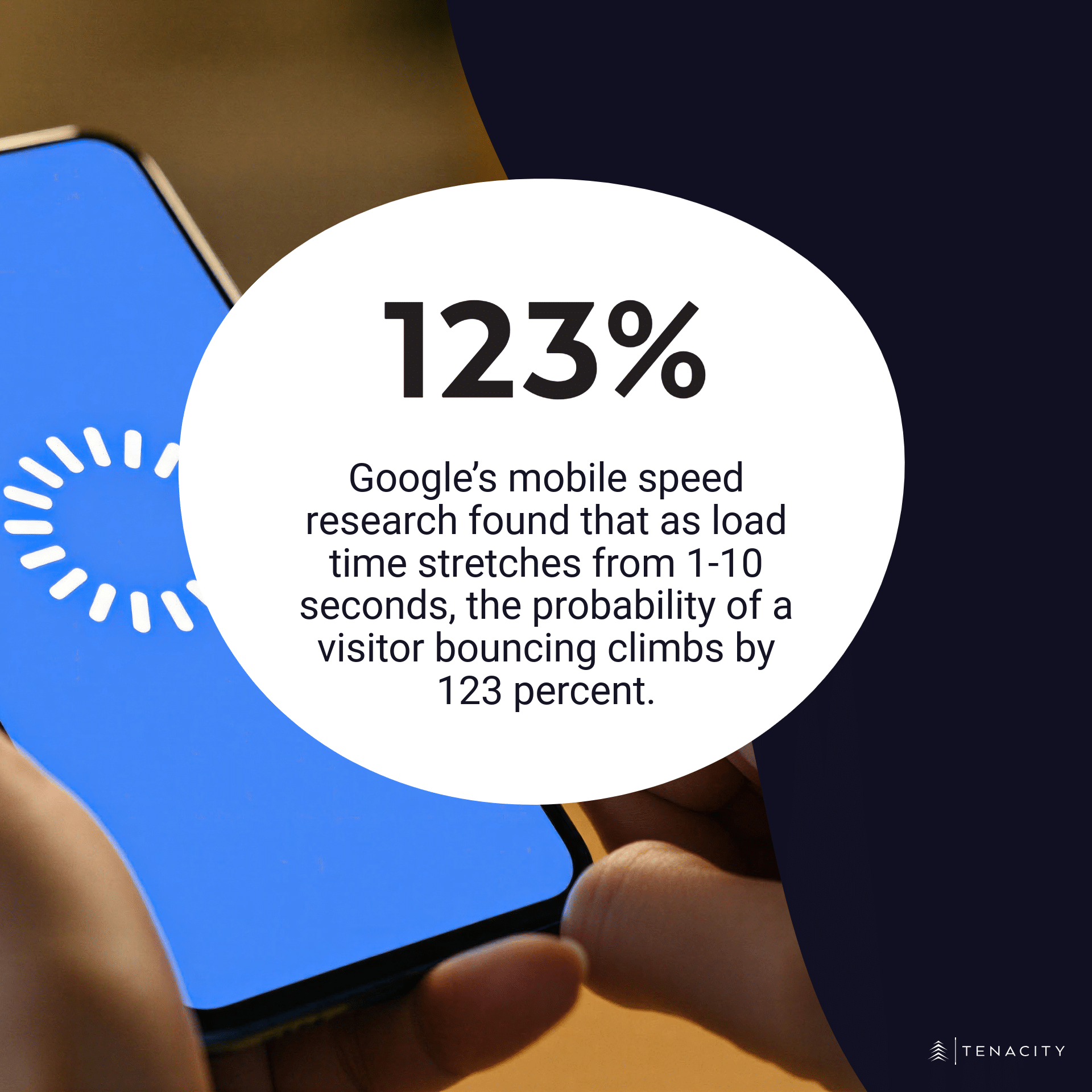
Mobile visitors do not wait patiently for slow pages. Google’s research shows how sharply bounce risk can rise as load time grows, making performance a direct factor in whether your traffic ever gets the chance to convert.

Trust Has to Be Visible Before Buyers Will Act
Interest does not automatically become action. Visible proof, security cues, customer evidence, and clear policies can give buyers the confidence they need to move forward instead of leaving at the decision point.

Manipulative Design Is Common. Trust Can Set You Apart
Dark patterns are widespread across subscription experiences, but common does not mean harmless. Clearer choices can protect customer trust, reduce friction, and create a stronger foundation for conversion and retention.
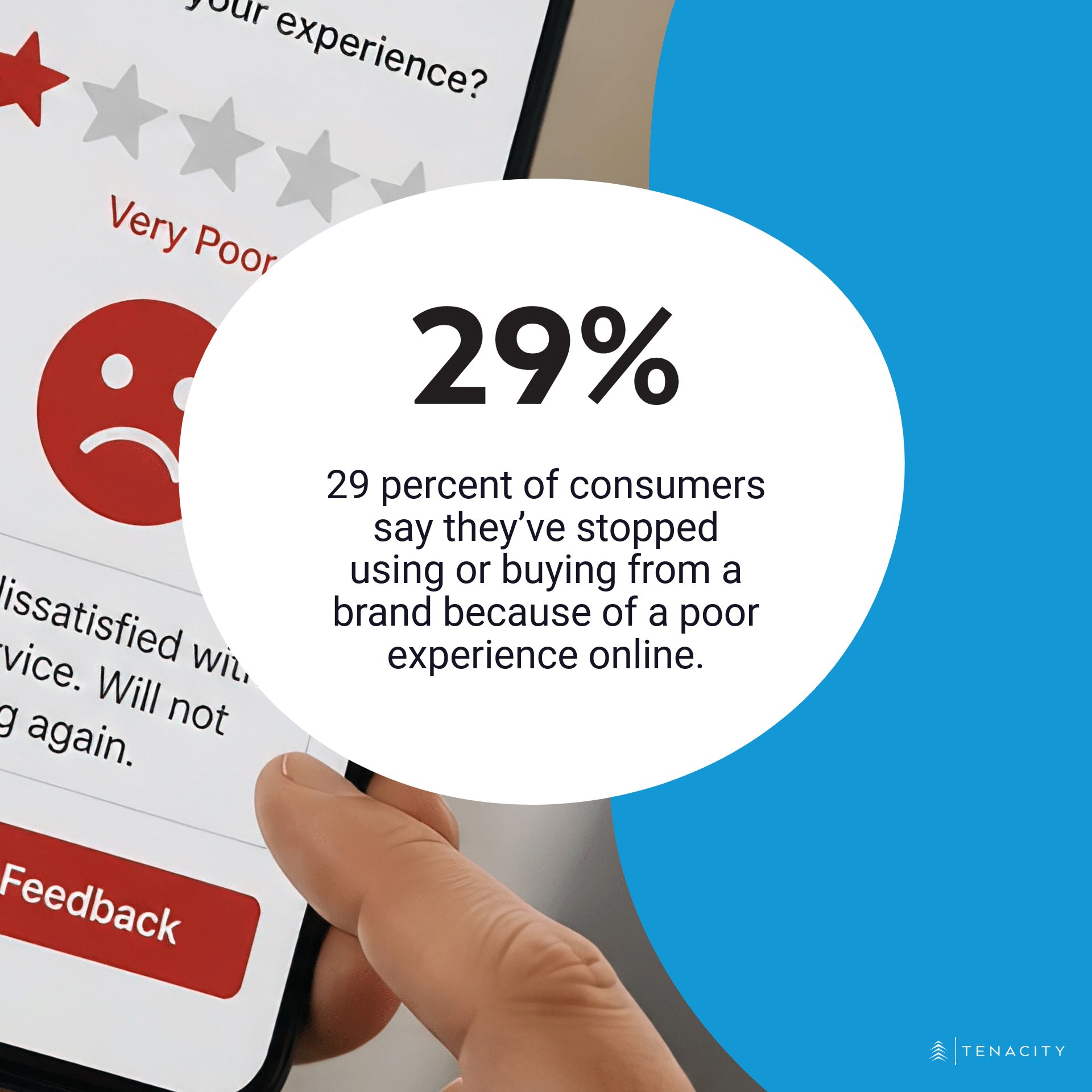
29% Stop Buying After a Poor Online Experience
A bad website experience can do more than frustrate visitors. It can end the relationship before a conversation starts. This post explains how slow pages, unclear paths, and clunky forms quietly damage trust and reduce revenue opportunities.
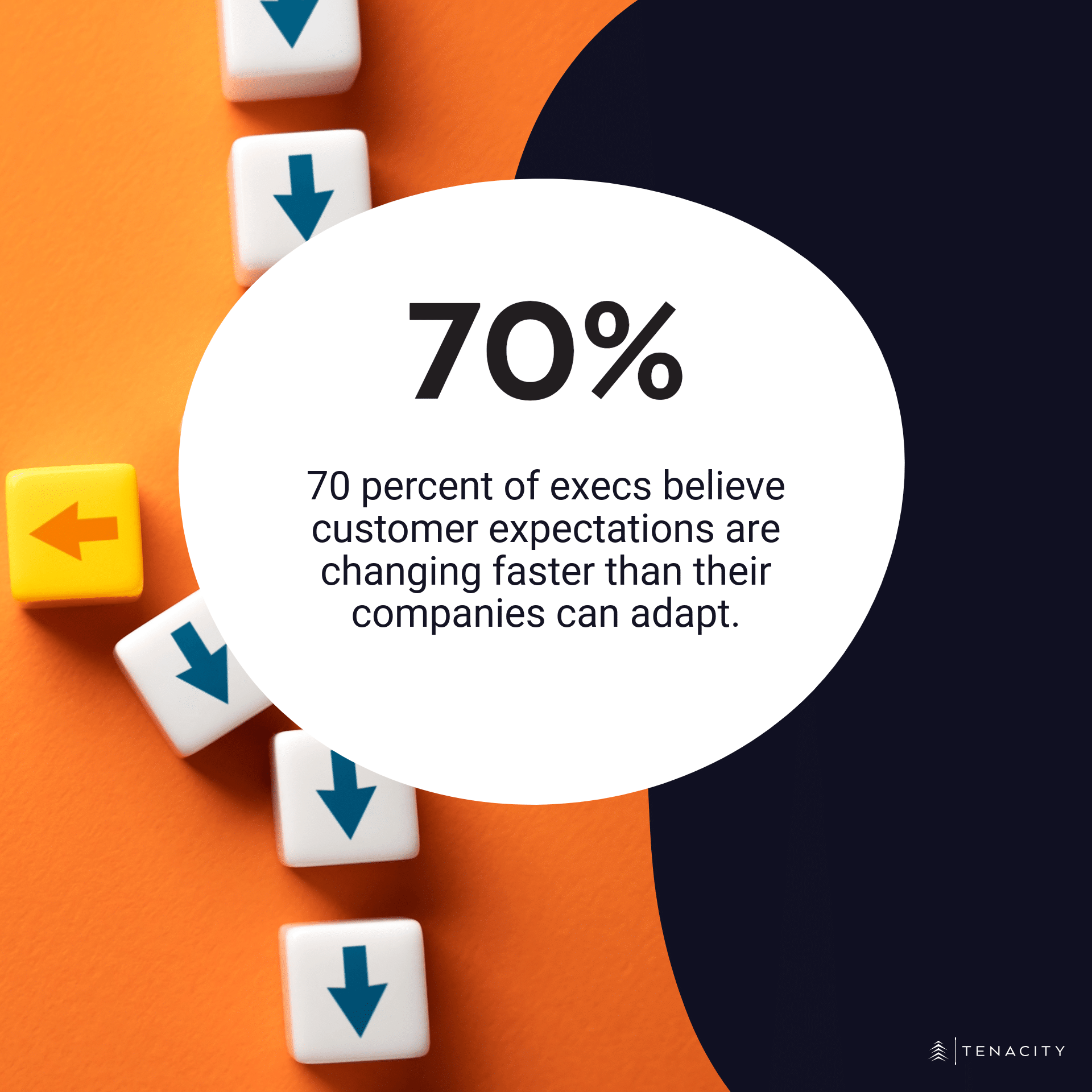
Can Your Website Keep Up With Customer Expectations?
Customer needs can shift long before an organization is prepared to respond. A website built for easier iteration helps close that gap, giving teams more room to improve messaging, experiences, and functionality without making every adjustment a major undertaking.
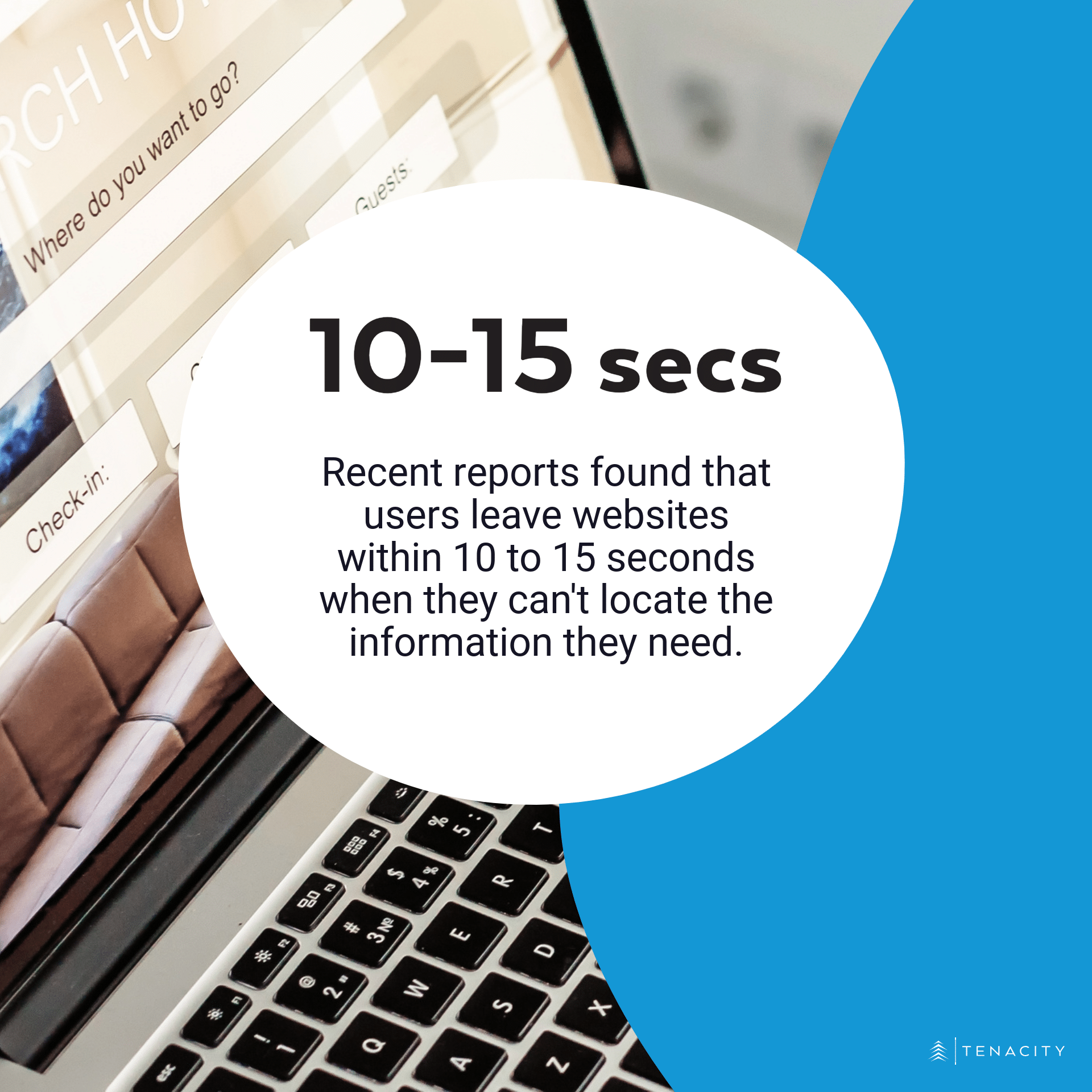
Visitors Leave in 10 to 15 Seconds When the Path Is Unclear
Accessibility problems are not all equal. Some create minor friction, while others block the actions that drive revenue and service. This post explains why high-risk issues in forms, logins, and purchase paths deserve priority in any WordPress review.
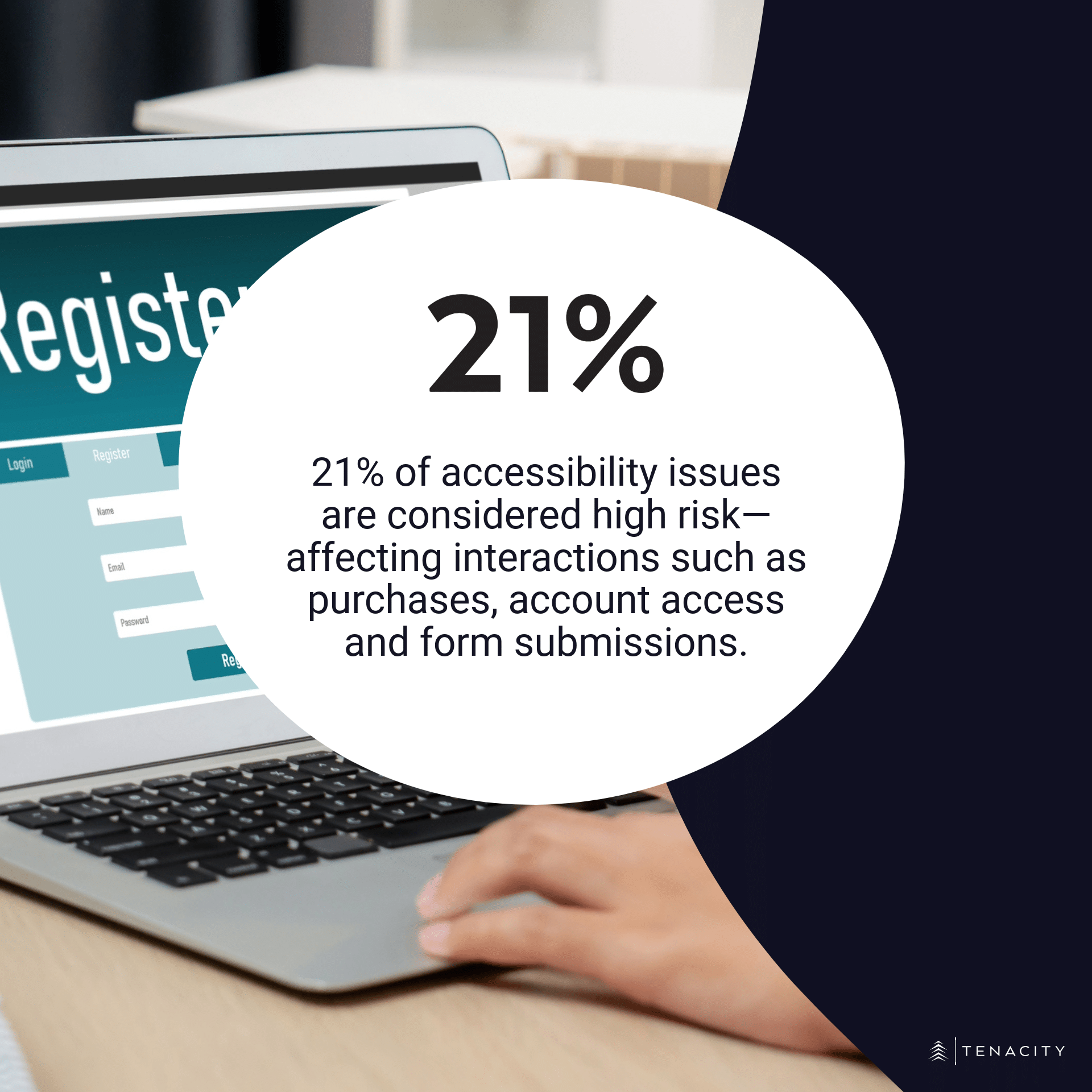
21% of Accessibility Issues Put Critical Website Actions at Risk
Accessibility problems are not all equal. Some create minor friction, while others block the actions that drive revenue and service. This post explains why high-risk issues in forms, logins, and purchase paths deserve priority in any WordPress review.
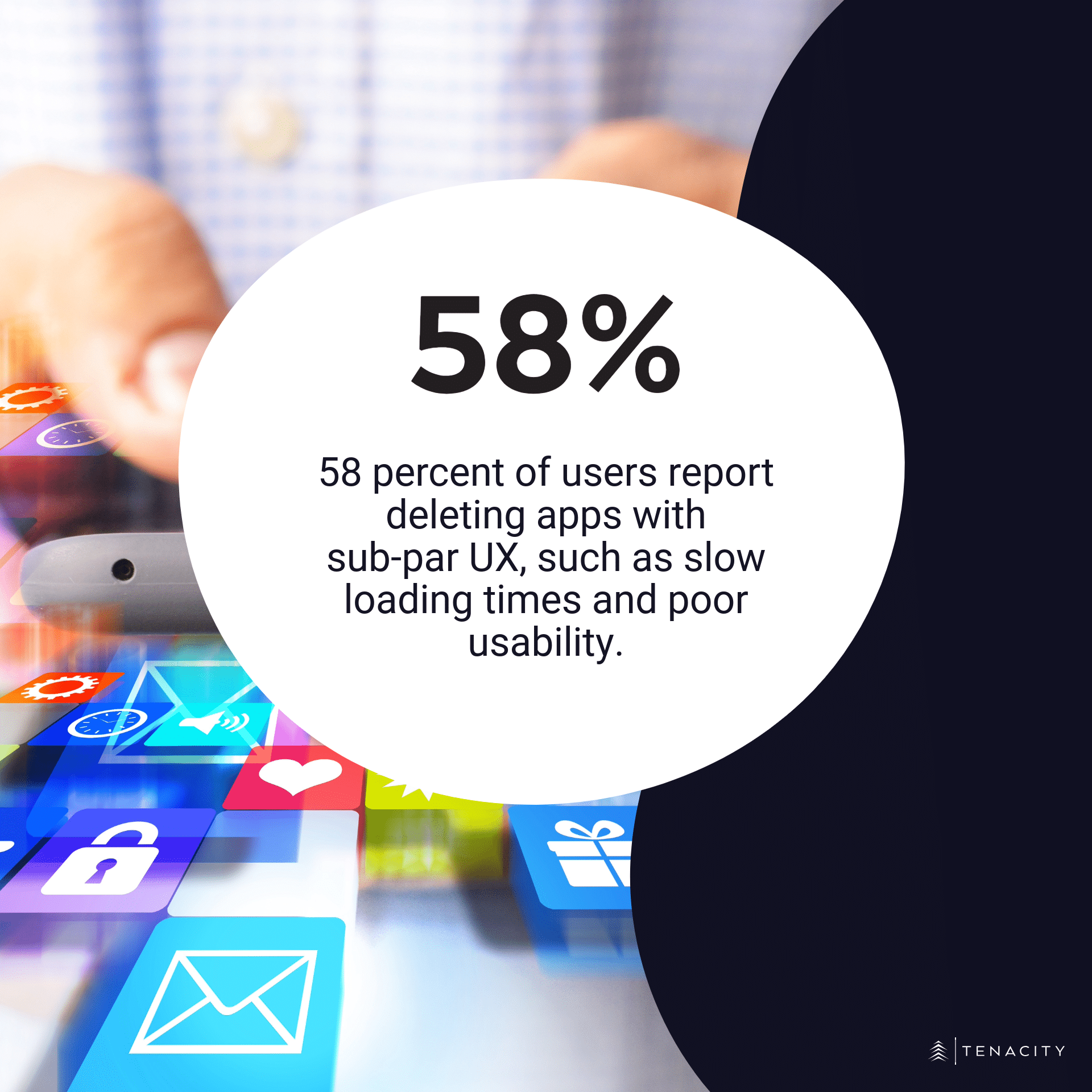
Poor App UX Shows How Quickly Users Leave
58% delete apps with poor app UX. Use that behavior as a warning to fix slow pages, unclear paths, and usability gaps.
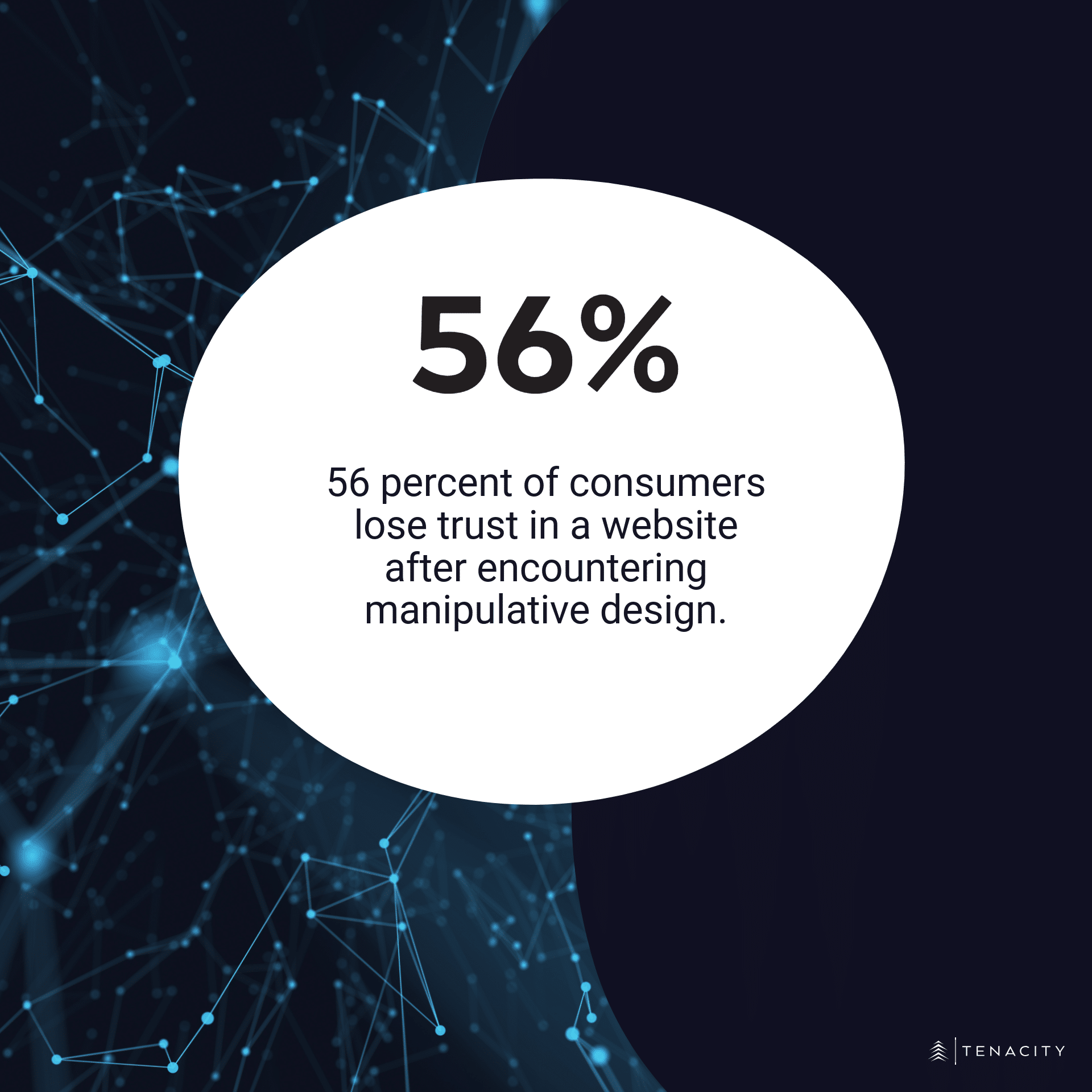
Conversion Shortcuts Can Quietly Damage Trust
A forced choice can make a polished site feel risky. This post looks at why manipulative design hurts confidence and how clearer WordPress paths can protect conversions while making the buying journey feel easier to defend.

Make Every Website Visit Feel More Relevant
Customers increasingly expect websites to respond to their needs, not force everyone through the same generic path. This post explains how thoughtful personalization can improve relevance, strengthen trust, and help WordPress teams turn more visits into qualified inquiries.